The Art of Balance – Why is Your Portfolio Like a Balanced Diet?
"Eating only biryani every day sounds like a dream; until your doctor calls. Your portfolio works exactly the same way."
Concentration feels great when your chosen sector is booming. If you'd put everything into IT stocks in 2020-2021, you would have felt like a genius. Then 2022 arrived, global tech valuations collapsed, and that concentrated portfolio gave back most of its gains in months. This is not bad luck; it's predictable. And it's entirely preventable.
The Core Principle: Diversification is Not Spreading Randomly
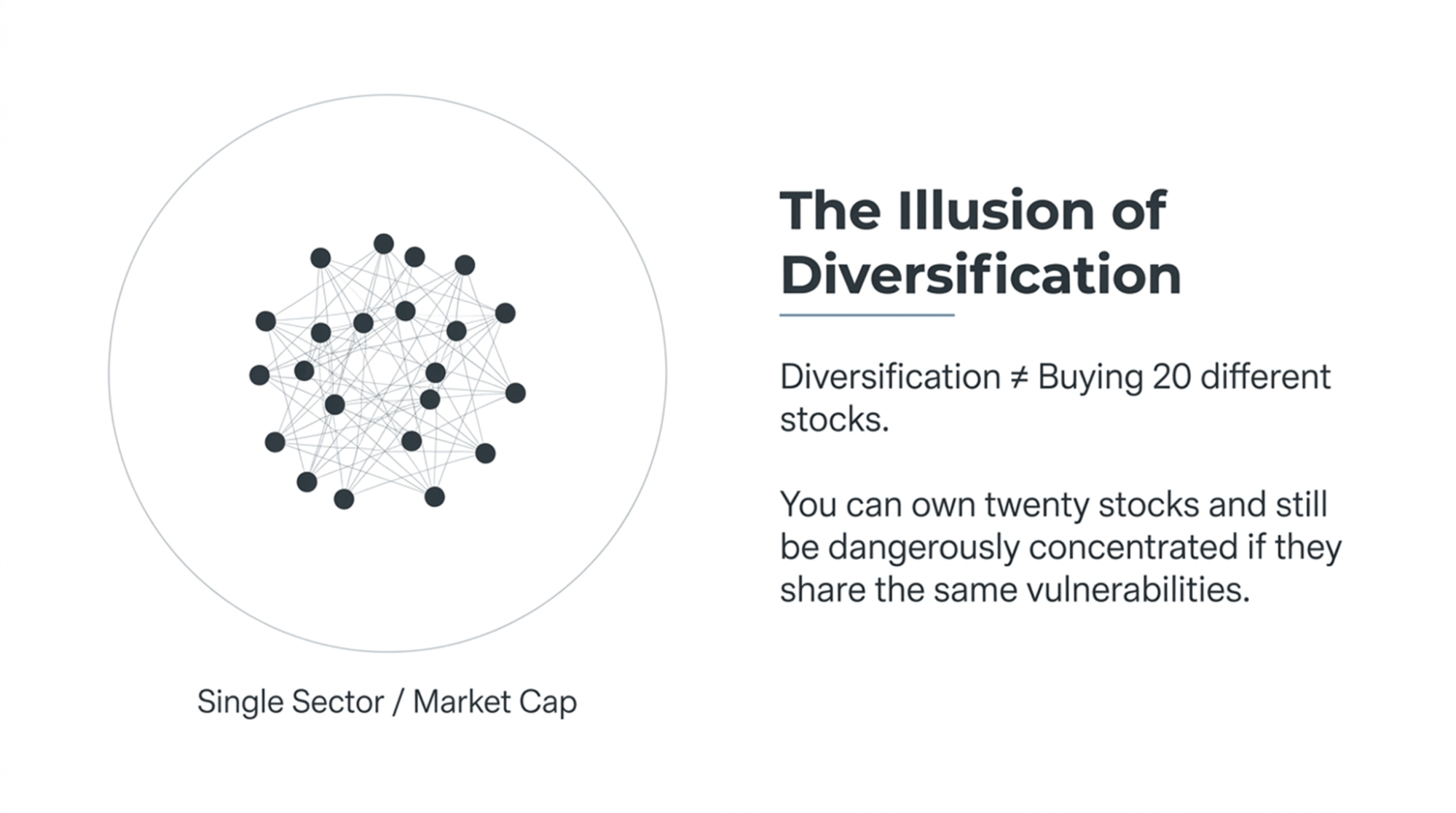
Diversification is widely misunderstood. Many beginners think it means buying twenty different stocks.
It doesn't.
You can own twenty stocks and still be dangerously concentrated if all twenty are in the same sector or same market cap segment.
True diversification means owning assets that don't all react the same way to the same event.
The Three Dimensions of a Balanced Portfolio
The first dimension is market cap balance.
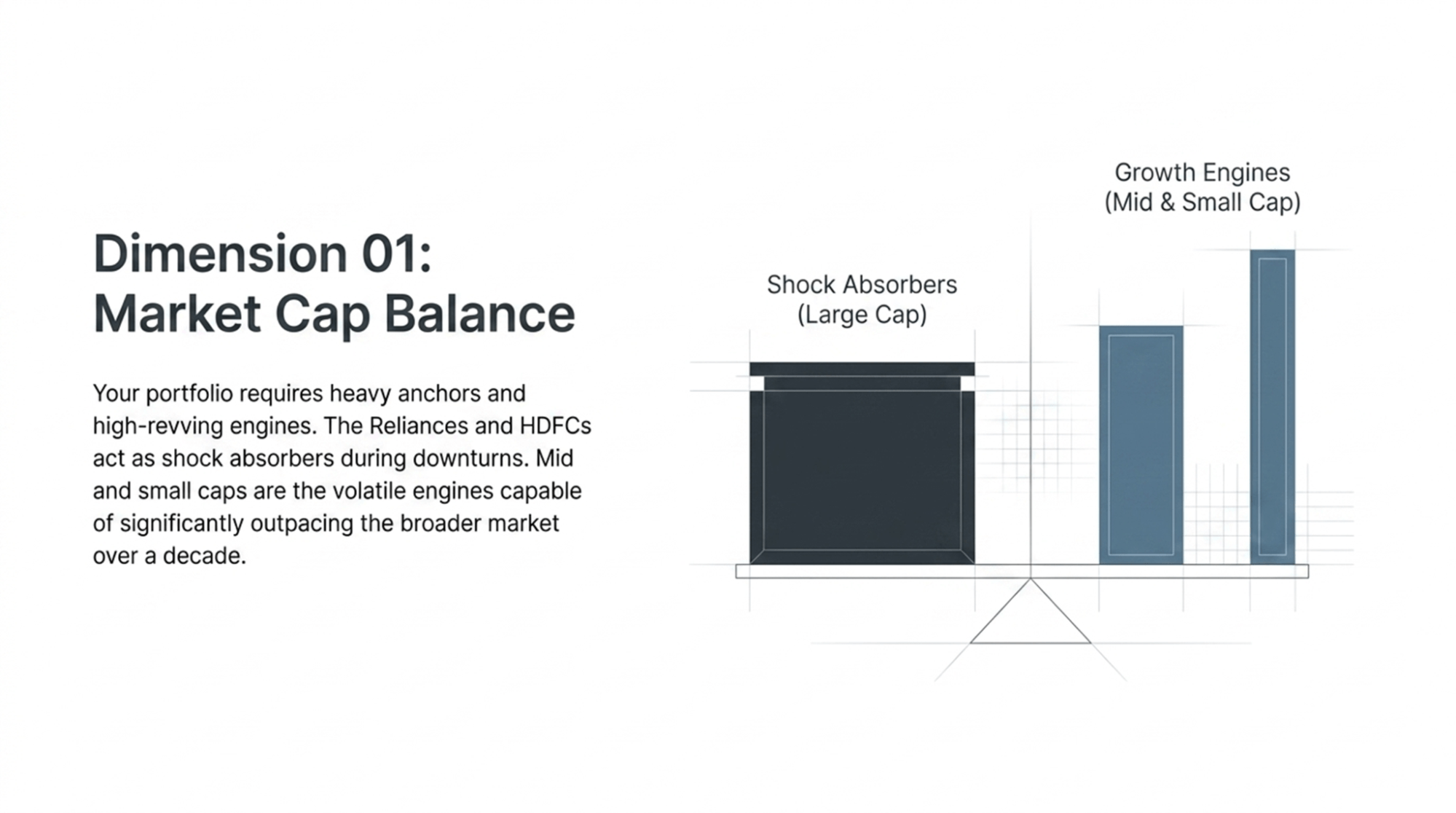
- Your large cap holdings; the Reliancies and HDFCs of your portfolio; are your shock absorbers. They provide stability and anchor your portfolio during market downturns.
- Your mid and small cap holdings are your growth engines; more volatile, but capable of delivering returns that significantly outpace the broader market over five to ten years.
- A reasonable starting mix for a moderate-risk investor might be 60% large cap, 25% mid cap, and 15% small cap.
As your knowledge and risk appetite grow, you can adjust.
The second dimension is sector balance.
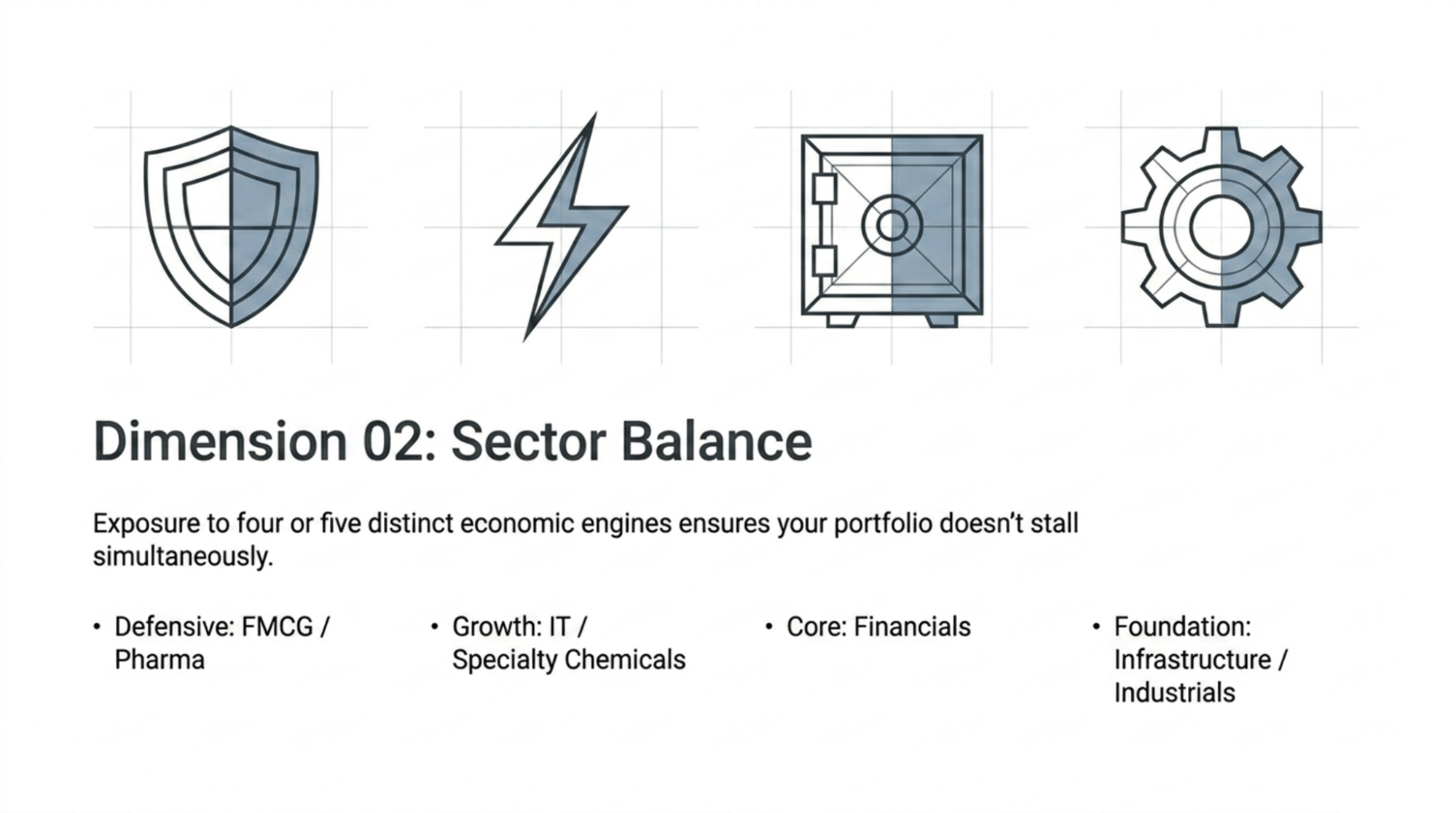
Your portfolio should ideally hold positions across at least four to five distinct sectors.
A mix of a defensive sector like FMCG or Pharma, a growth sector like IT or Specialty Chemicals, a financial sector holding, and an infrastructure or industrial position gives you exposure to different economic engines that don't all stall simultaneously.
The third dimension is timing balance;
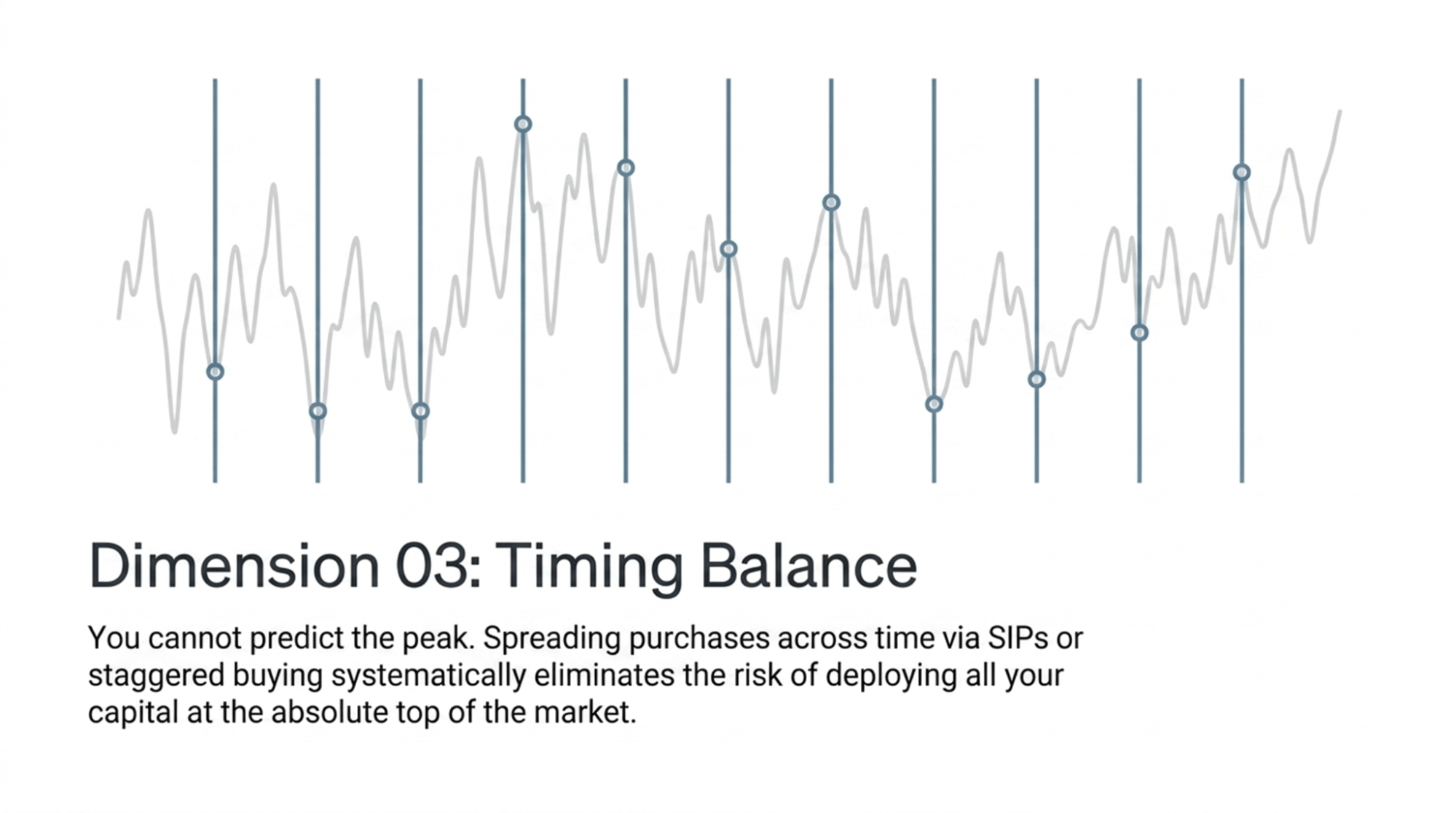
Meaning you don't invest everything at once. Spreading your purchases across time using Systematic Investment Plans (SIPs) or staggered buying eliminates the risk of deploying all your capital at a market peak.
Why This Actually Works
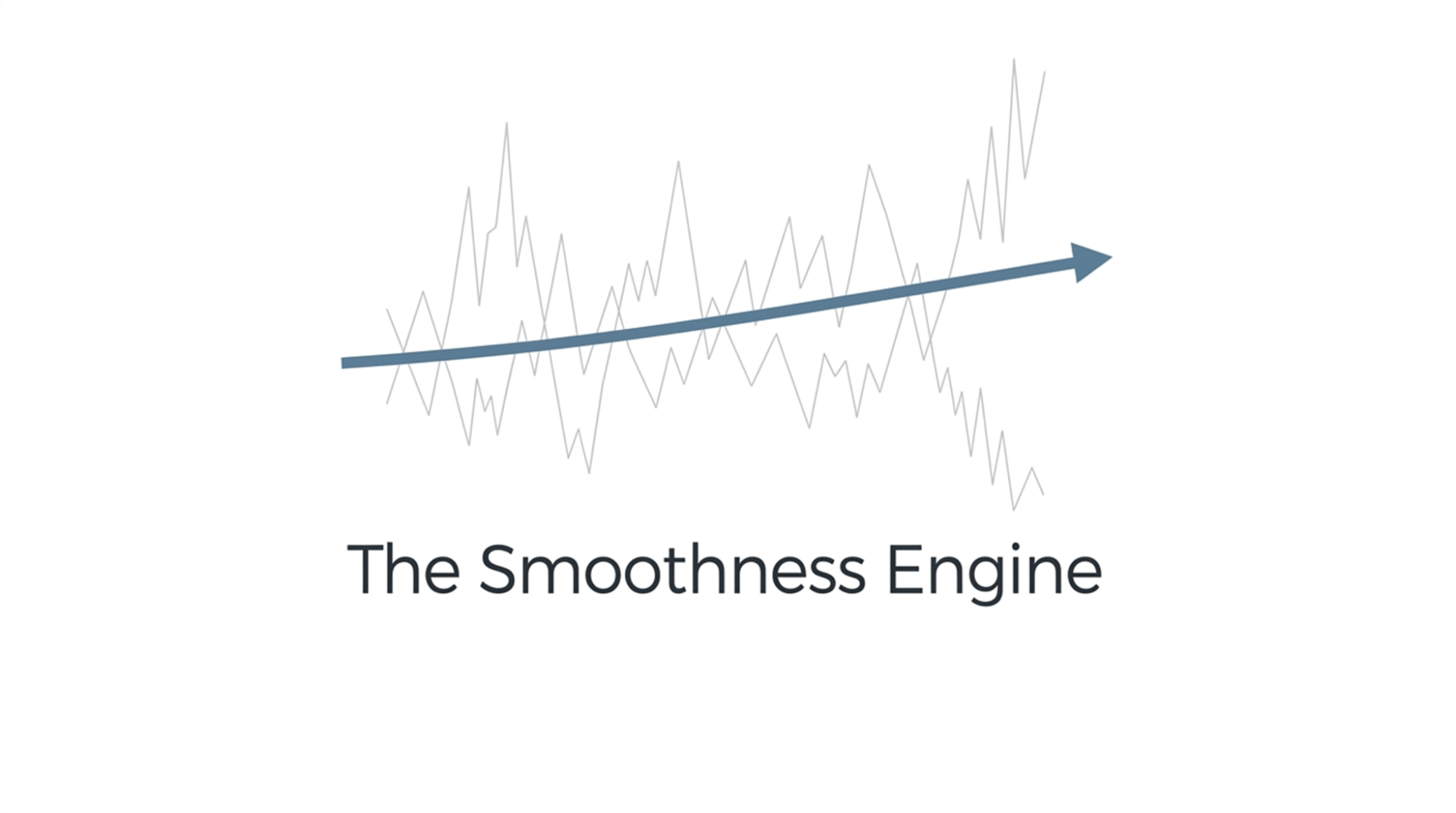
When your IT stocks are struggling because the dollar weakened, your FMCG stocks are quietly holding steady because people still bought toothpaste and shampoo.
When your large caps are delivering modest 12% returns, your mid cap picks might be running at 25%. The portfolio as a whole moves more smoothly than any individual holding within it.
That smoothness is what allows you to stay invested without panic, and staying invested is what builds long-term wealth.
Pro Tip:
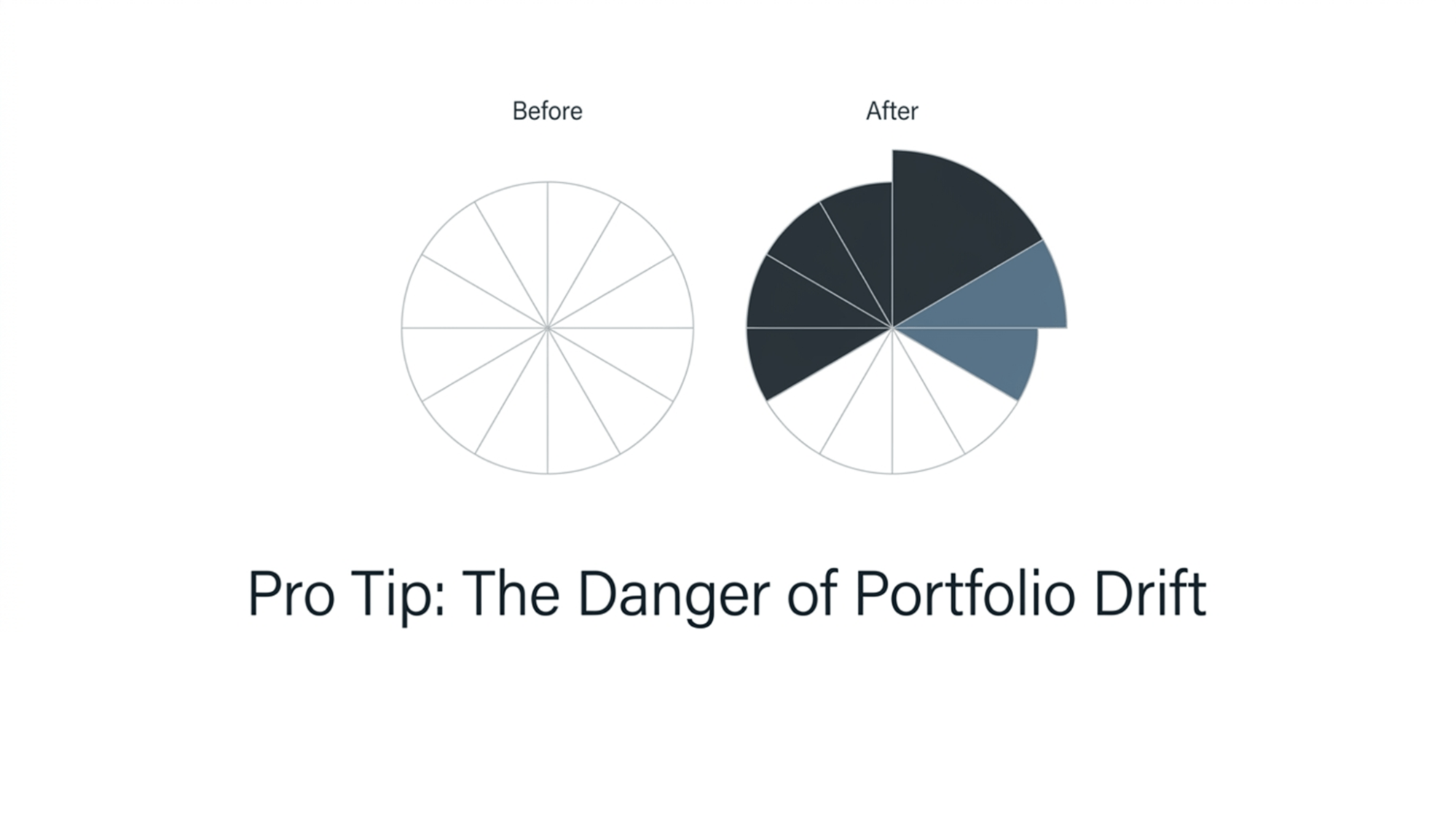
Review your portfolio's sector and cap allocation every six months. Over time, your winners will naturally grow to dominate the portfolio, inadvertently concentrating your risk again.
Rebalancing; which we'll cover in Article 4, is the solution to this natural drift.
Next Up: Building a balanced portfolio from scratch sounds logical; but in practice, most investors struggle to execute it without bias or gaps.
In the next Article, we explore a smarter shortcut: Model Portfolios.