Why Does Everyone Keep Talking About the Nifty and Sensex?
"Here we learn to read the scoreboard of the entire Indian economy."
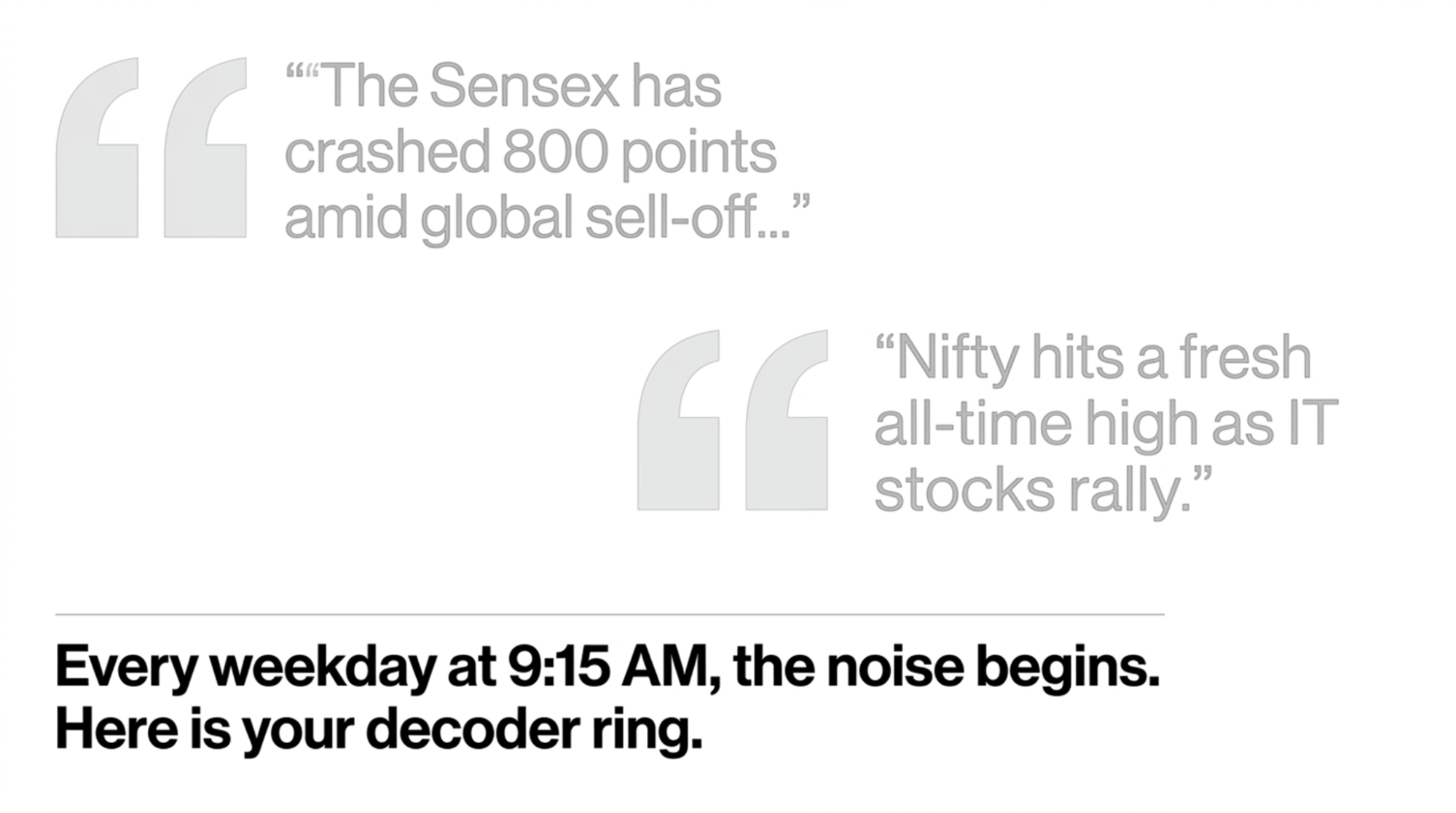
Switch on any news channel at 9:15 AM on a weekday and within sixty seconds, you'll hear something like:
"The Sensex has crashed 800 points amid global sell-off" or "Nifty hits a fresh all-time high as IT stocks rally."
If you've ever nodded along while having absolutely no idea what any of that means, this article is your decoder ring.
First, the Two Stadiums
The Indian stock market operates through two primary exchanges; think of them as two massive stadiums where the game of buying and selling shares takes place every weekday from 9:15 AM to 3:30 PM.
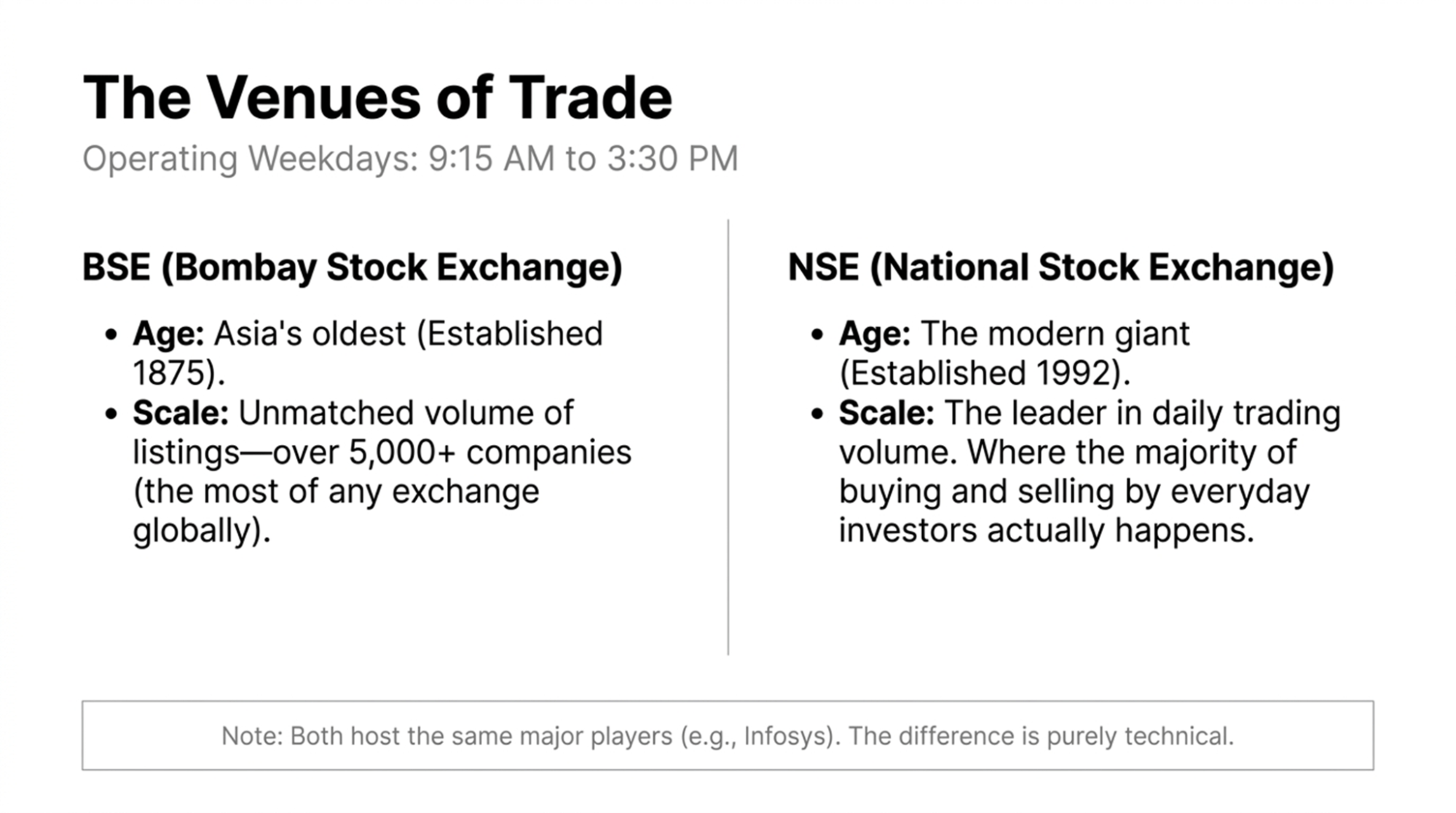
The BSE (Bombay Stock Exchange) is Asia's oldest stock exchange, established in 1875. It has over 5,000 companies listed on it; the largest number of any exchange in the world.
The NSE (National Stock Exchange), while younger (founded in 1992), is the larger one by trading volume. Most of the action; the actual buying and selling by everyday investors; happens here.
Both exchanges list many of the same companies. You can buy Infosys shares on either. The difference is mostly technical and behind-the-scenes. What matters to you as an investor is the scoreboard each exchange puts up every day.
Now, the Two Scoreboards
A cricket match has a scoreboard that tells you, at a glance, how the team is performing. The stock market has indices that do exactly the same job for the economy.
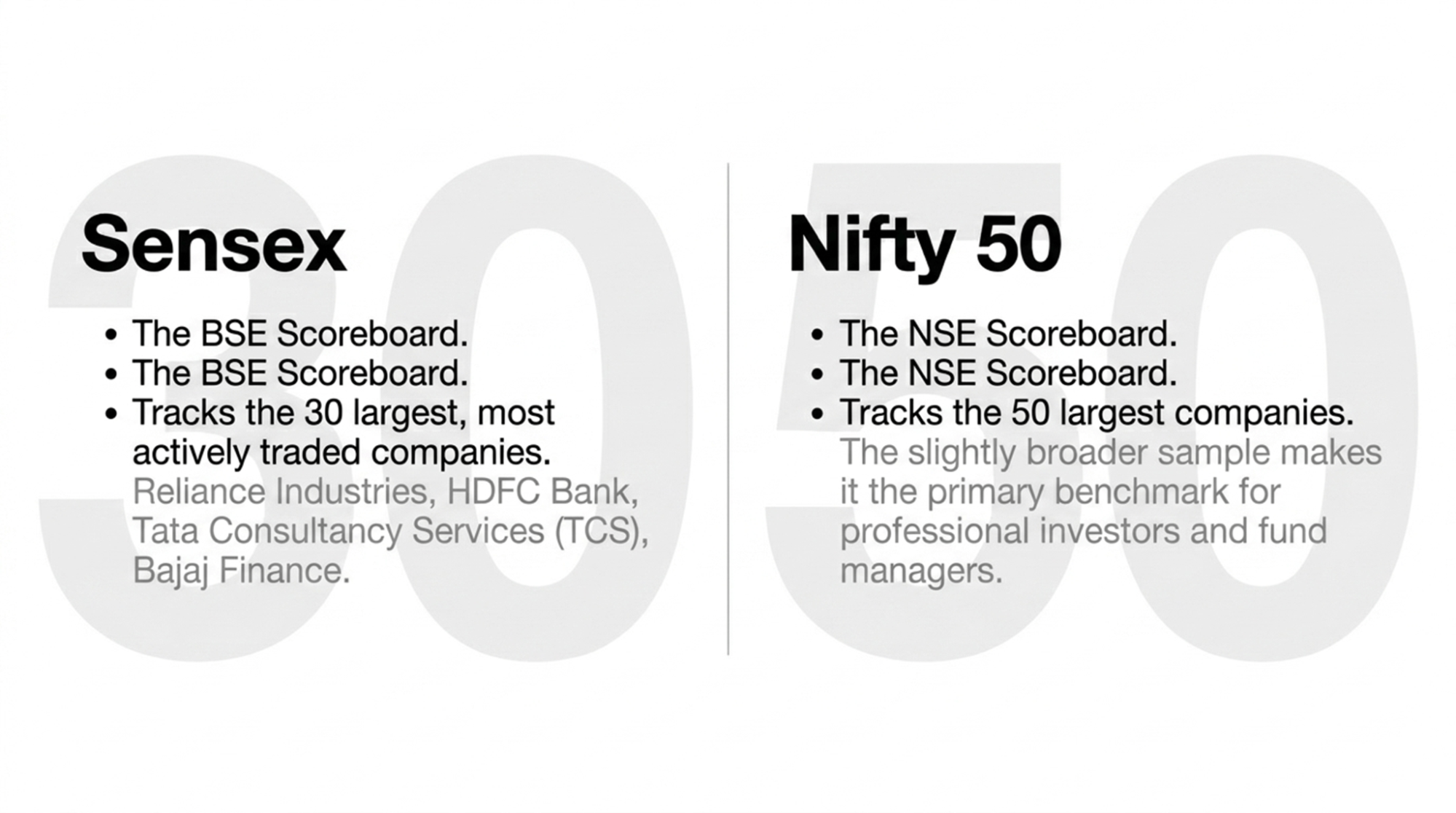
The Sensex is the BSE's scoreboard. It tracks the performance of the 30 largest and most actively traded companies on the BSE; names like HDFC Bank, Reliance Industries, Tata Consultancy Services, and Bajaj Finance.
The Nifty 50 is the NSE's scoreboard, tracking the 50 largest companies on the NSE. It's a slightly broader sample, which is why most professional investors and fund managers use the Nifty 50 as their primary benchmark.
What Does It Mean When They "Fall" or "Rise"?
Here's the key insight: these numbers represent the weighted average performance of the companies in the index.
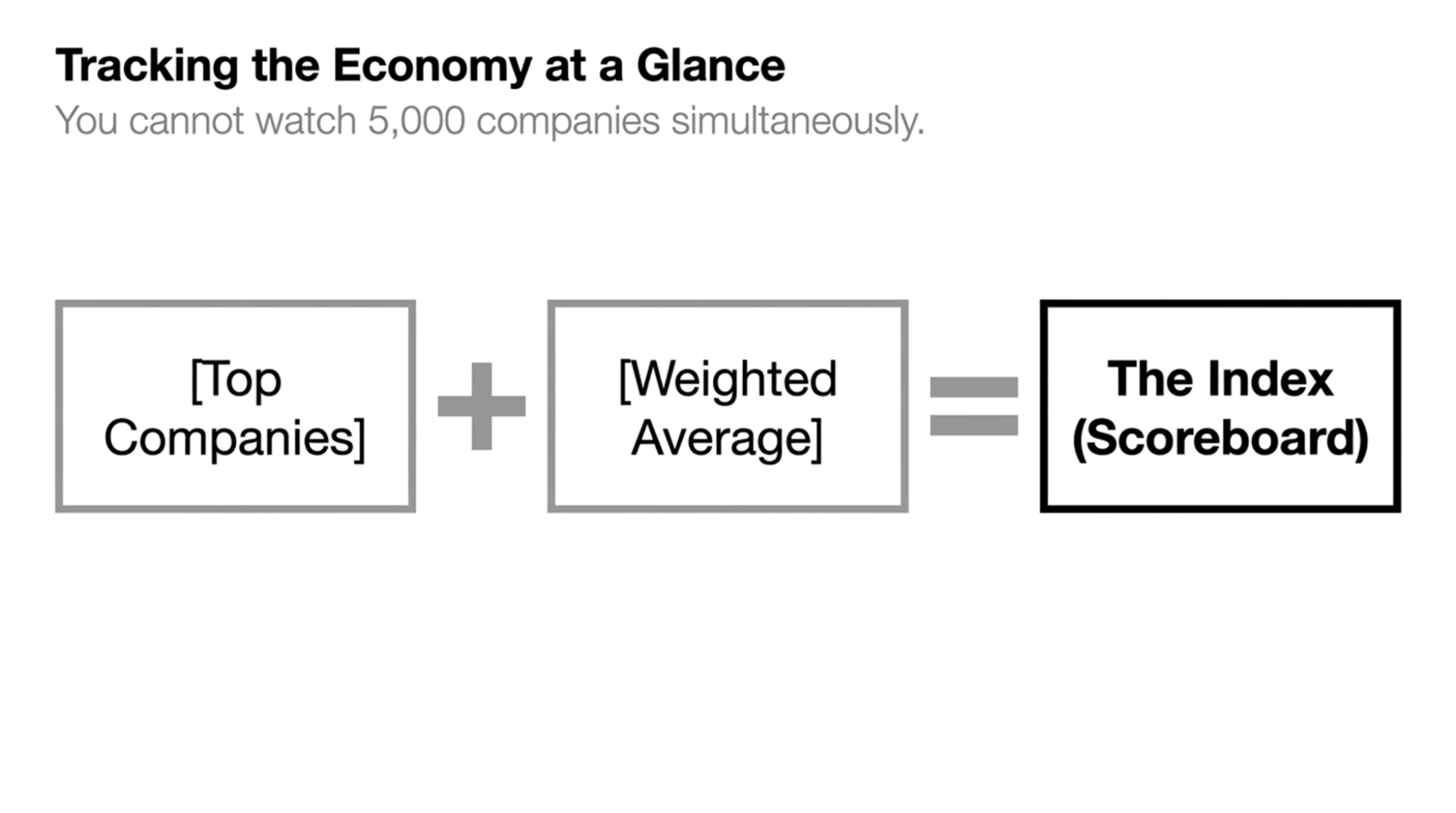
When the Nifty rises 300 points, it means that the collective value of those 50 companies has gone up. When it falls 800 points, it means there's been a broad sell-off; investors are, for some reason, selling more than they're buying across most large companies.
That "some reason" could be anything; a global recession fear, a surprise interest rate decision by the RBI, rising oil prices, or even political uncertainty. The index absorbs all of this sentiment and reflects it as a single number.
Think of it as the mood ring of the Indian economy.
Green and rising means optimism is in the air. Red and falling means anxiety has taken over. Neither state is permanent, and understanding this prevents you from making panicked decisions on red days.
Why Should a Beginner Care?
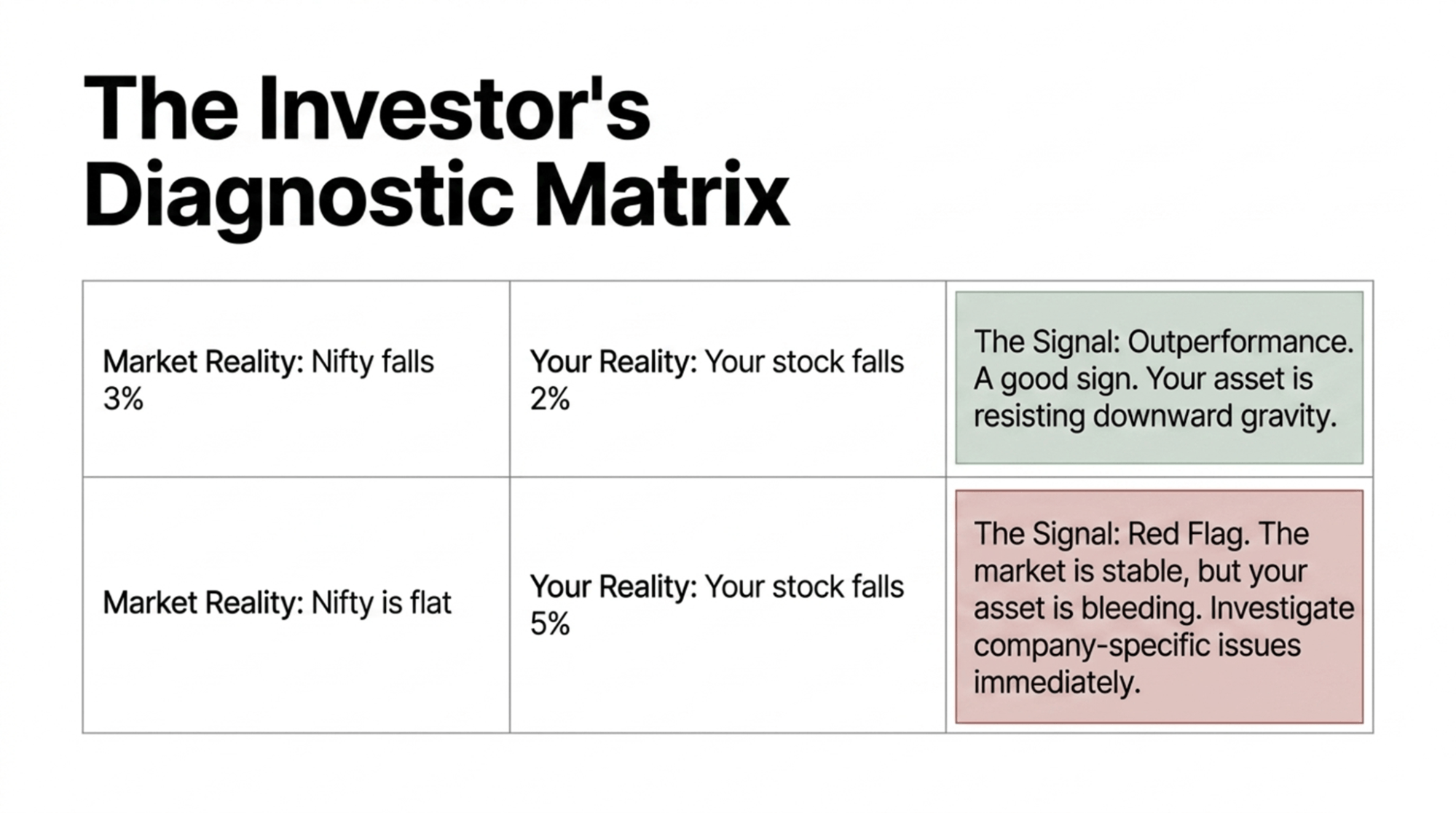
Because the index gives you instant context. If your stock fell 2% today but the Nifty fell 3%, your stock actually outperformed the market; that's a good sign. If your stock fell 5% while the Nifty was flat, something specific to that company deserves investigation.
Navigator Tip:
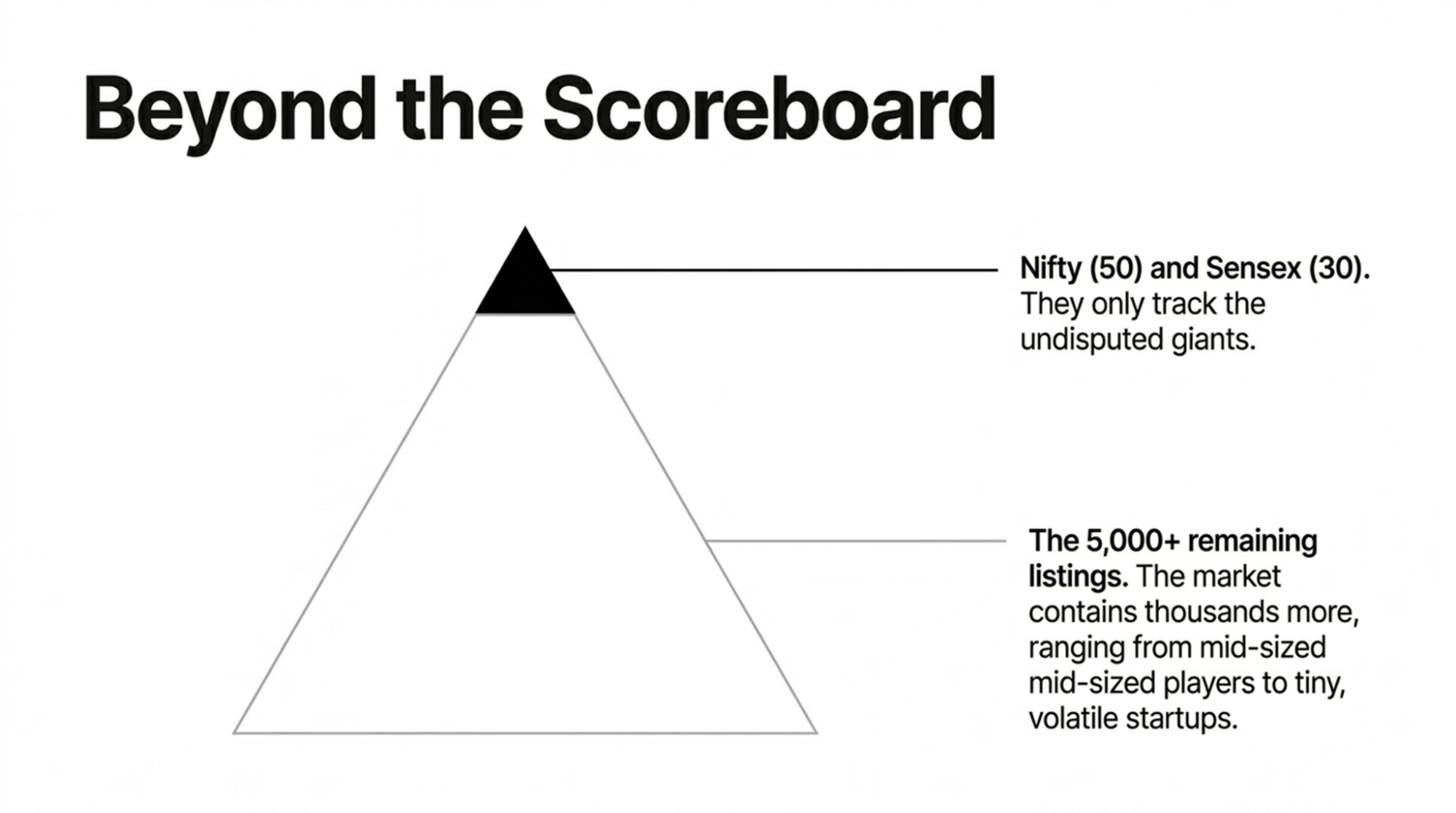
The Nifty and Sensex only track the biggest companies. But the market has thousands more; ranging from giants to tiny startups.
In the next Article, we'll learn how to classify all of them using one simple, powerful concept: Market Capitalisation.