Beta Drugs: Malignant Growth Engine
Cancer is one of the most common killers today and can affect any body part or organ. It is a dreaded disease, and early detection is the key. But often it is too late to cure it.
Cancer is the uncontrolled and abnormal growth of cells in any part of the body. These cells do not function like normal cells and affect organ functions and blood supply. Eventually, the organ stops functioning, which leads to death.
The cancerous cells do not remain in one place as they travel through the blood to other parts of the body. Until these cells remain in the blood supply, removing cancer from one part of the body will not cure a person. Therefore, medical procedures for cancer patients include:
- Radiation therapy, which narrows down and kills cancer cells using rays without surgery.
- Operating and cutting away cancerous portions in the body
- Chemotherapy is a process in which a chemical is injected into the body that goes in and kills any cancerous cells that have remained.
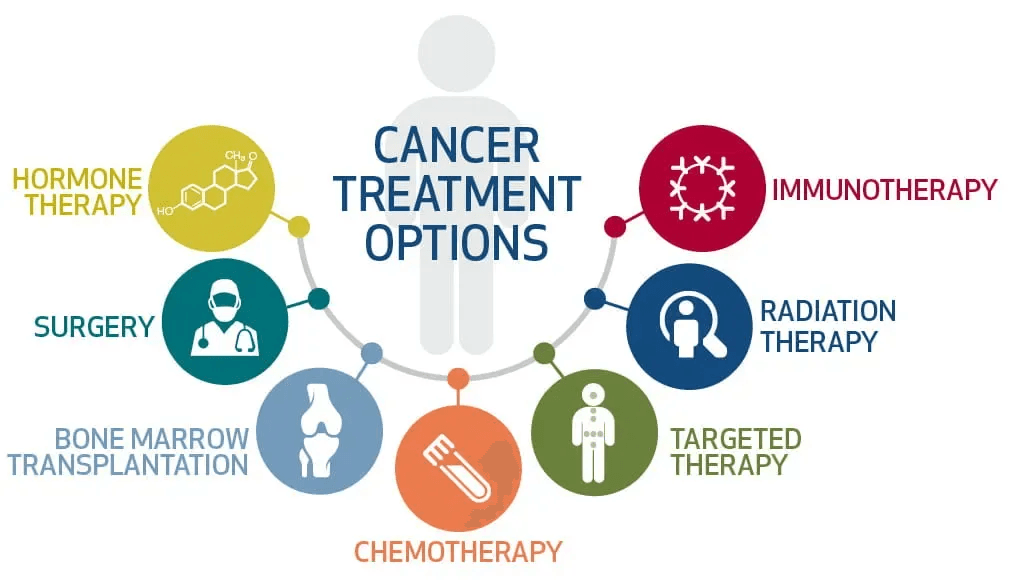
In addition, treatment includes drugs that may enhance blood regeneration, immunosuppressants, and specific antibiotics. Since the mortality rate for cancer is high, and patients would pay through the nose to save lives, oncology-related drugs are profitable. This profitability brings investments into the R&D, which makes drugs more effective and commands more profit, and the cycle continues.
 Ethica Invest
Serious about long-term investing?
Unlock our professionally managed portfolios.
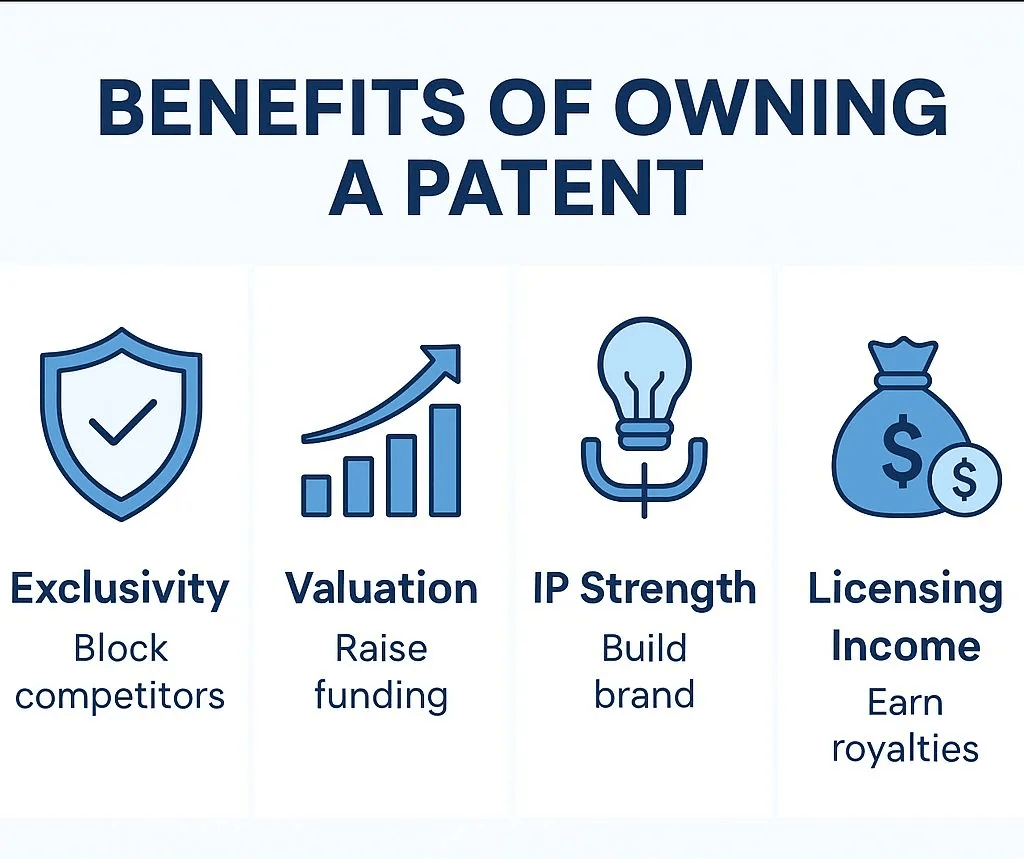
When a company makes a breakthrough for a drug, it receives a patent to sell it exclusively for the next 15 years. After this, the drug can be manufactured by other companies, and this is where the big bucks stop for the original manufacturer. Other companies will start manufacturing the drugs.
So, what happens in India is this: Generally, the patents are held by foreign companies. But as they expire, the companies in India also start manufacturing and selling these drugs (in India as well as outside) at a fraction of the cost that foreign pharmaceuticals charge. This does two things:
- The cost for the patients is reduced.
- The patient could easily get their hands on these drugs because sometimes they have waiting periods.
CDMO
Now comes the amazing part. Remember that, as we said, the patents are held by the foreign company. However, a lot of research on oncology and other fields is conducted in India due to the availability of good research scientists as well as lower costs.
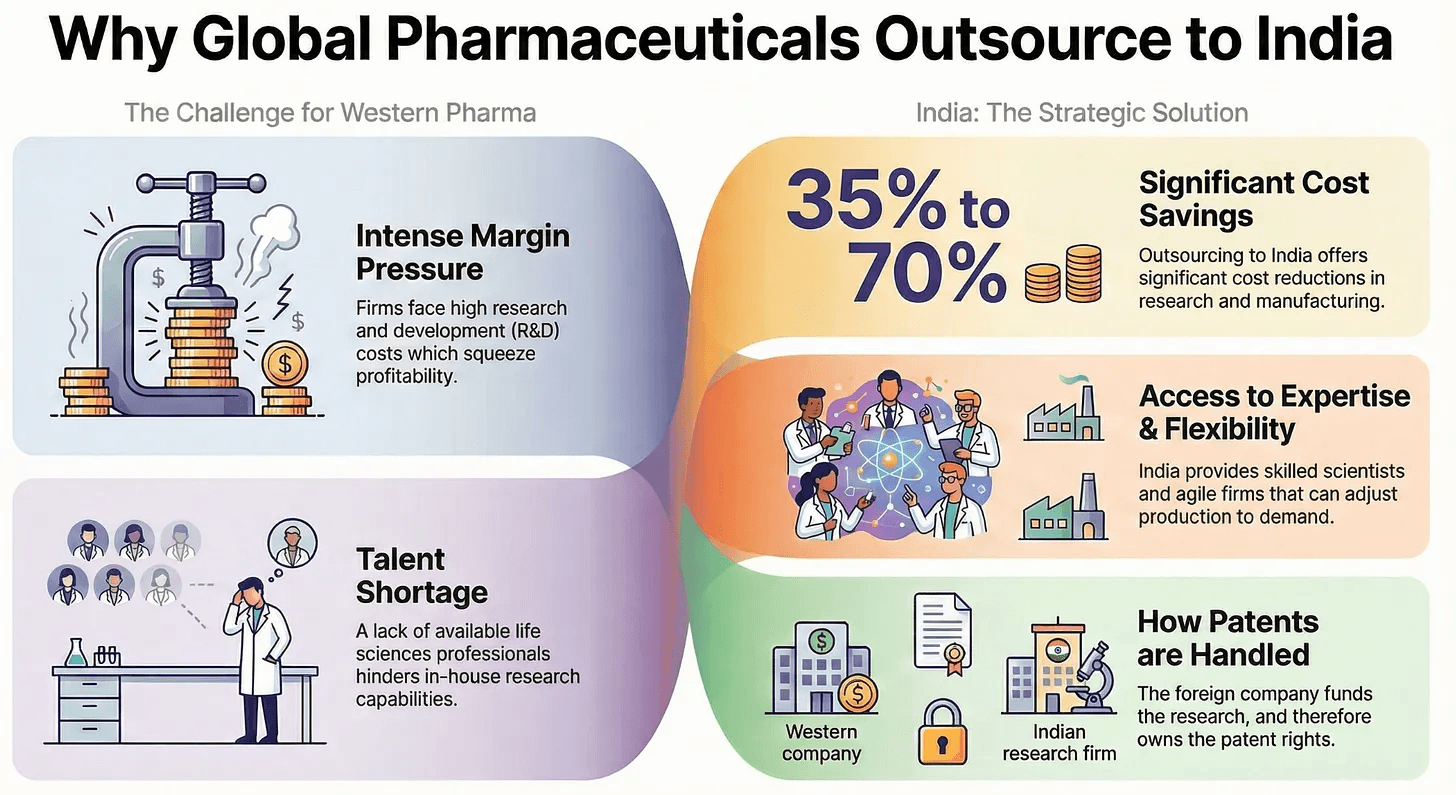
So, how come the patents are held by the foreign pharmaceutical firms when the research is conducted in India? Well, this is where it gets interesting. Foreign firms outsource the research and as well as manufacturing process to a firm in India. They would provide the guidelines and any previous research and ask them to work on these drugs. Because foreign firms are providing the funding for the research, they own the patent rights.
Pharmaceutical firms in the Western world face intense margin pressure, R&D costs, and a lack of life sciences professionals. Outsourcing to India can be 35% to 70% cheaper, in addition to the expertise that Indian firms offer. It also helps diversify the supply chain for foreign companies.
Smaller CDMO firms in India are more flexible; they can adjust production levels based on demand, allowing foreign companies to reallocate resources to focus more on R&D and marketing. However, in the past few years, even the pharmaceutical firms from India are outsourcing their development and manufacturing to domestic CDMO firms in India.
Beta Drugs
Today, we are discussing Beta Drugs, which is one of the fastest-growing branded oncology pharmaceutical companies providing cheaper cancer treatment in India. Its main business, based on revenue, is CDMO, and a significant minority of the revenue comes from selling on-brand oncology drugs and injections.
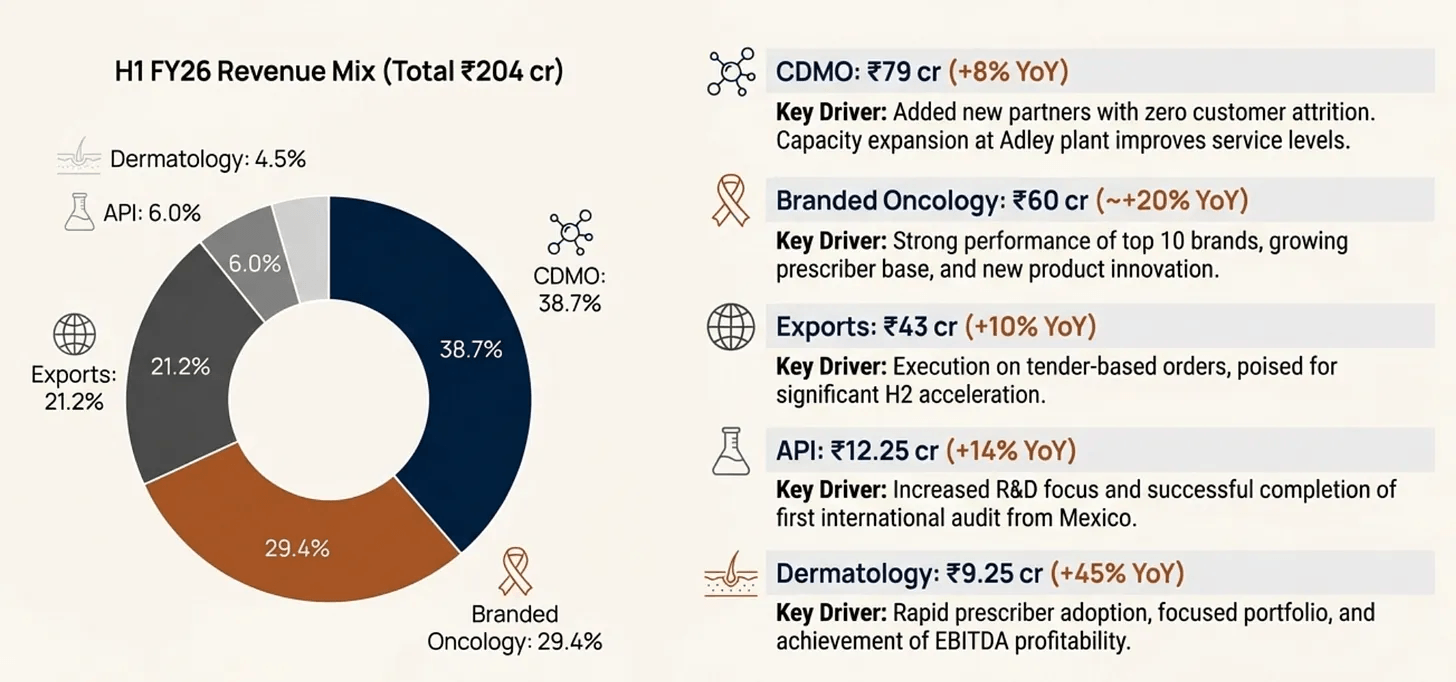
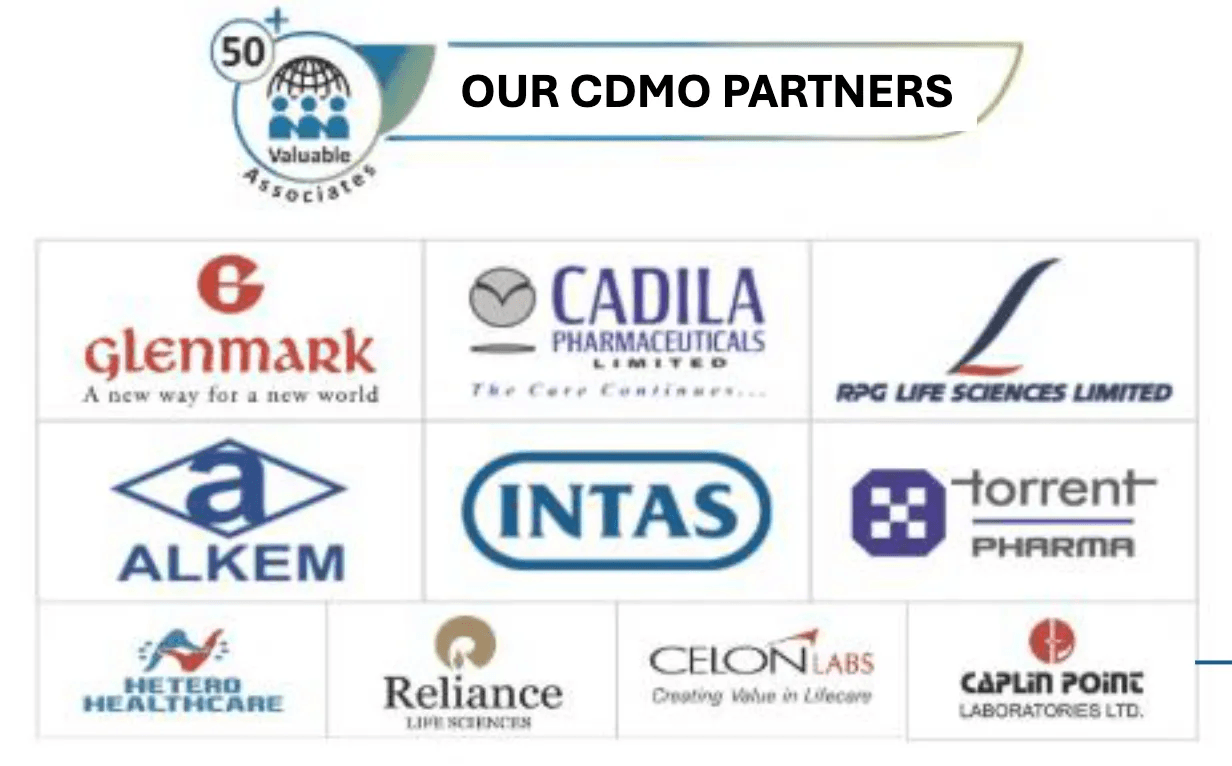
Contract Development, Manufacturing Organisation (CDMO) (39%) - With clients like Glenmark, Torrent Pharma, Reliance Lifesciences, and Cadila Pharmaceuticals, the company has CDMO partnerships with over 50 companies. It includes research, logistics, quality assurance, and marketing assistance to these two major pharmaceutical companies. While CDMO accounts for the largest portion of the revenue, it grew only 8% in H1 FY 2026.
Branded oncology (29%): The company makes cancer drugs with its own branding. A significant share of these drugs are those drugs whose patent has recently expired, making them available at an affordable price. The company seems to have found a pivot in this vertical, and it grew 21% in the first half of this financial year vis-a-vis the previous.
Exports (21.2%): Generic oncology drugs are also exported outside India. This vertical is well diversified as the drugs are exported to different geographies. The company has ramped up dossiers and is expanding the regulatory team to target South Africa, the EU and other geographies. Around 43 new approvals in Central America, Colombia, Algeria, Jordan, the Philippines, Nepal, Thailand, Mauritius & Syria are likely to open up a $ 30 Mn market. While the growth in Exports is muted, regulatory approvals are likely to expand the sales as the company has a large number of formulations.
Pharma Multi-Dollar Precipice: Beta’s Gain
A pharmaceutical firm faces a significant slashing of its revenues as its patent expires. This is known as the patent cliff, as drugs become available for anyone to manufacture. Revenue drops significantly, estimated to be around 60-80%.
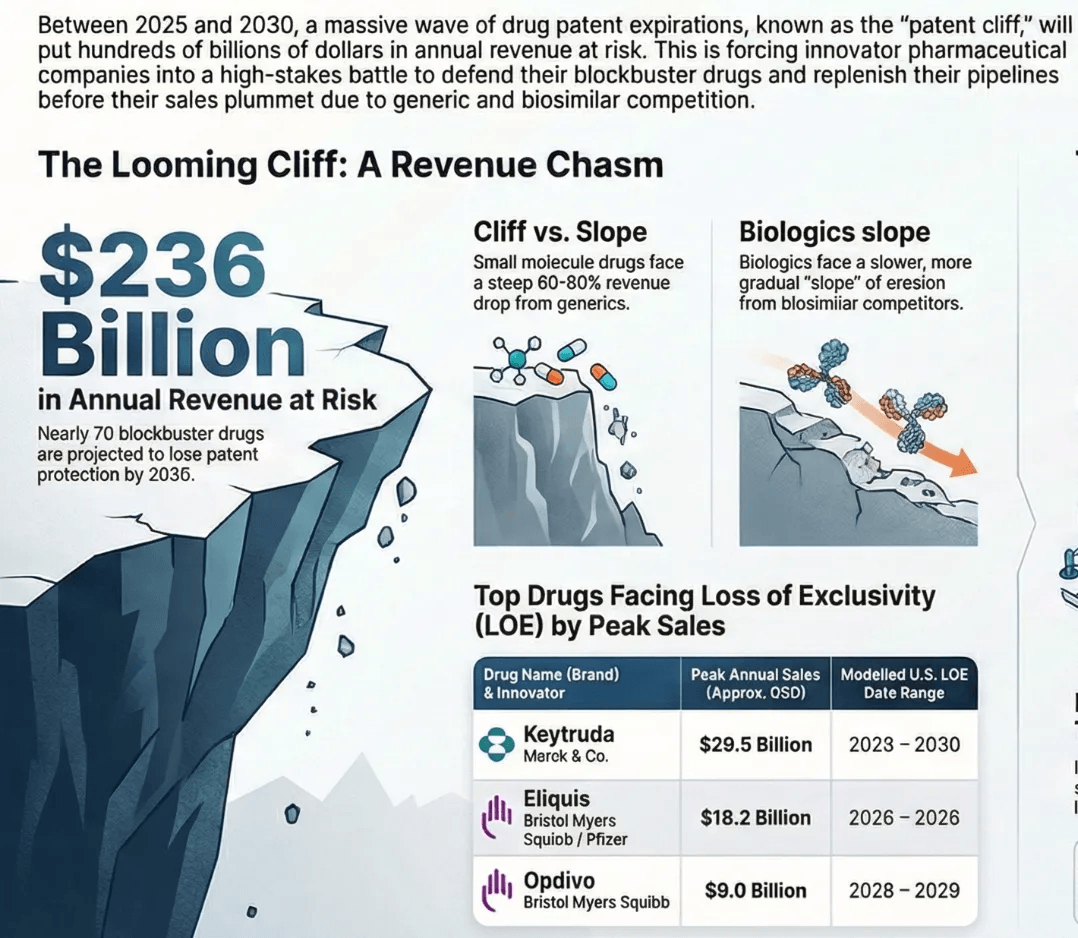
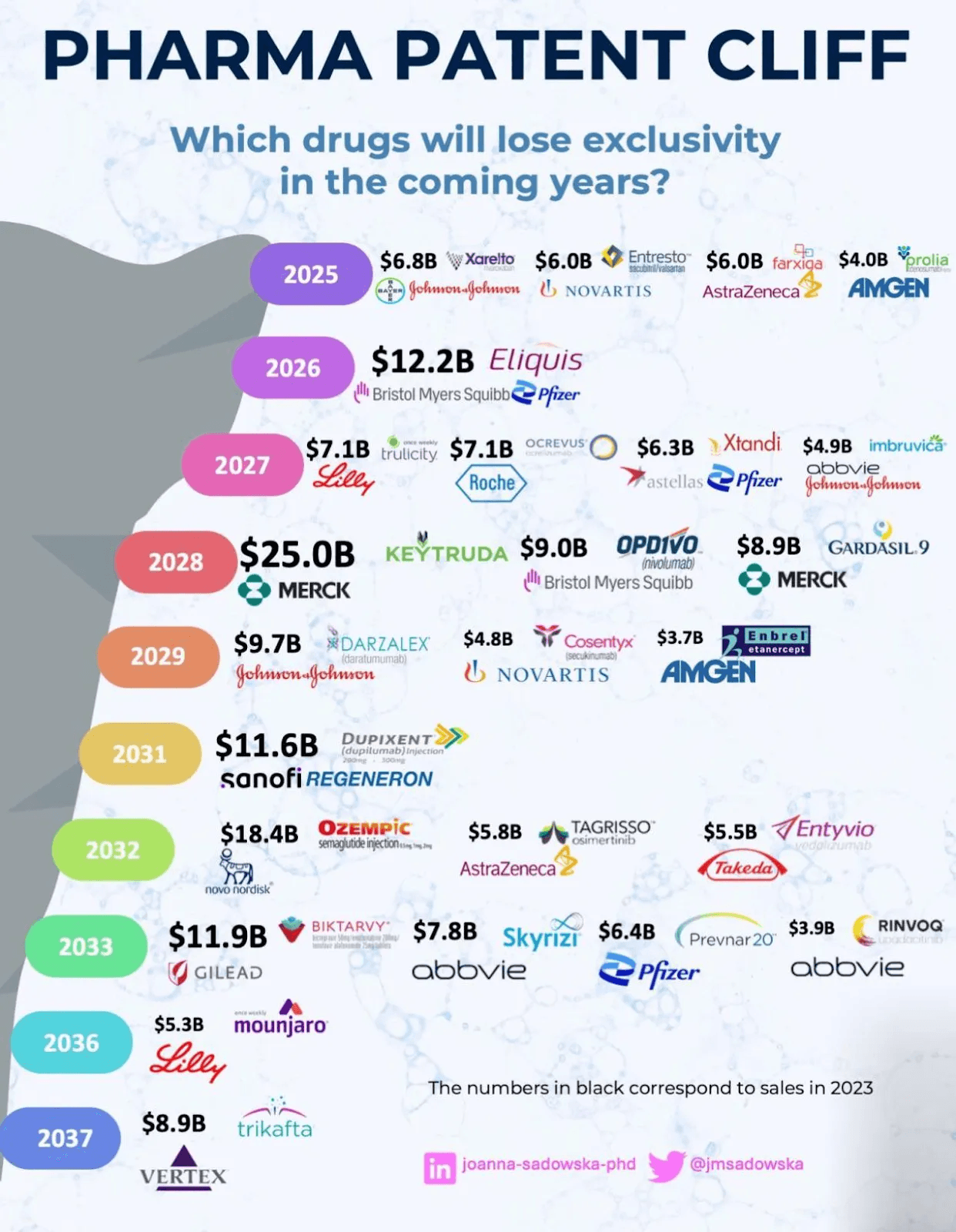
Pharma companies plan this and try to enhance the revenue by making changes to the drug so as to extend the life of the patent. Insulin drugs are known to be notorious for this. However, for cancer and other life-threatening diseases, small changes and drugs do not affect the outcome, so any changes need to be breakthroughs that significantly enhance mortality. These are some of the blockbuster drugs that are set to expire in the coming years. A good majority of them, based on total revenue garnered, are oncology drugs.
Ethica Invest
Serious about long-term investing?
Unlock our professionally managed portfolios.
Beta’s CDMO Schism
The first half of this year saw CDMO growth of only 8%, which has seen a growth of 20%-30% in the past. The growth in the CDMO vertical is below par, when it is the largest vertical for Beta. This can be the reason that the company is pivoting towards enhancing its own brand generics for Oncology.
However, this is still a small company, and volatility in revenue is not uncommon. The company has maintained that it has not lost a single CDMO client and even landed a few. It also expects the next quarter to be better.
What’s Driving Beta?
We discussed how the patent cliff can be highly profitable for a company like Beta, but since it has other verticals, growth needs to be looked at holistically.
Enhanced backward integration due to the acquisition of the capacity to produce intermediates rather than relying on China. This reduces costs as well as enhances the manufacturing process as the company has more control over its operations. Another advantage is that the regulatory filing for drug manufacturing, especially with the US-FDA, is enhanced by strengthening the Drug Master File (DMF).
Cosmetics can enhance growth in the future as it turned EBITDA positive in this half. It has a growth of 40% although it is a small base. With over 200+ customers added and 1500+ prescribers in H1, it can be another growth engine for Beta.
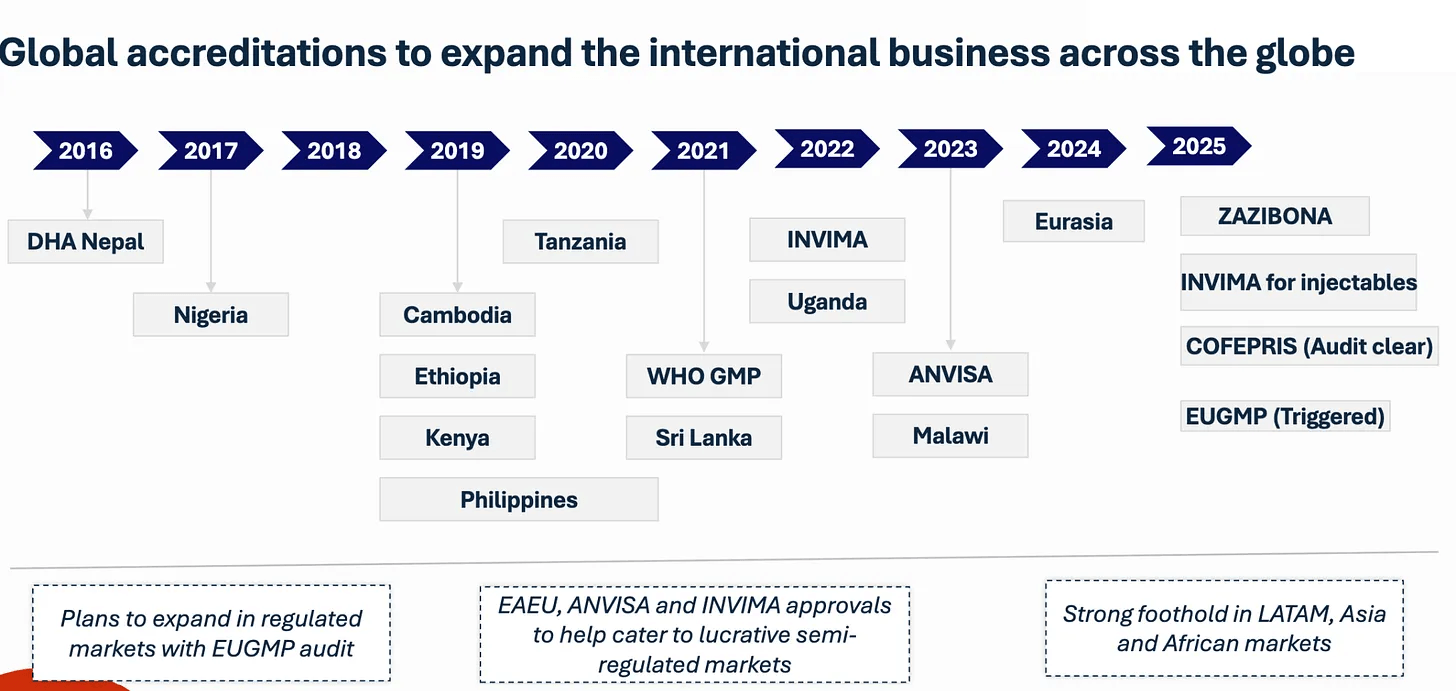
Global Accreditations: The company is playing the accreditation and regulatory approvals powerplay to enhance its credibility and have a seat at the big table.
Skating the Patent Cliff: Aapda me Awsar
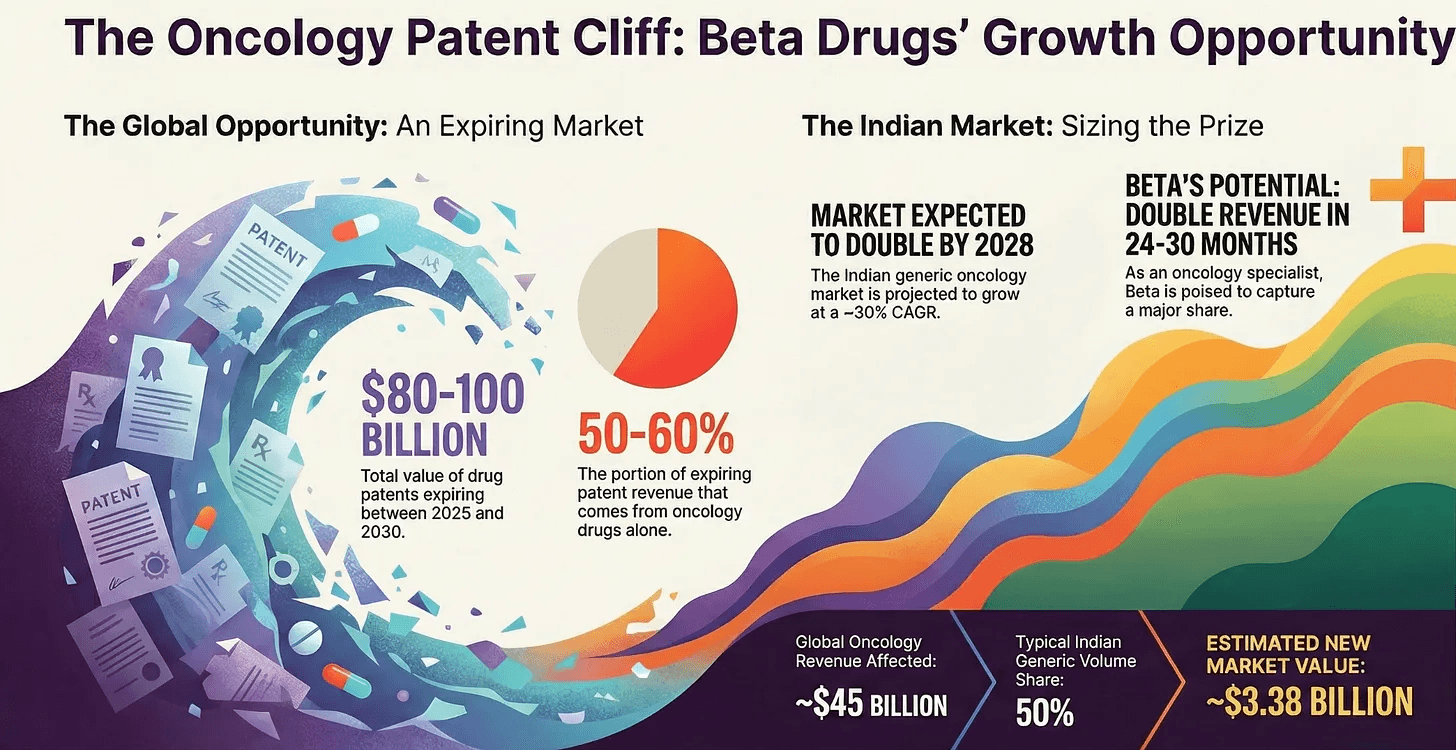
So now here is Beta’s investment thesis: Since it already has experience and skill set in producing CDMO drugs, there is little to stop it from manufacturing patent-free drugs and making them available in India. This is exactly what Beta is aiming at. Between 2025 and 2030, nearly $80 billion to $100 billions of drug patents will expire. Out of these, oncology drugs account for somewhere between 50% to 60% of the revenues.
In general, Indian generics capture 50% of the market share, but the price decline can be as steep as 60% to 90%.
So, putting in some numbers:
Total Oncology Revenues slated to be affected by Patent Expiry: $45 billion
Indian Market share based on volumes = 50%
Revenue based on average price decline of 85% = 15% * 50* $55 billion = $3.38 billion
The current generic oncology market is estimated to be nearly the same value, i.e. $3.5 billion in India. This means that the Indian oncology market should ideally double by 2028, which means a CAGR of somewhere around 30%. While it is challenging to estimate the percentage of this that will go into Beta Drug’s kitty, achieving a growth rate beyond 20% is not particularly difficult.
Now, Beta is an oncology specialist, so it is likely that it will grab a major share and could double the revenue in the next 24-30 months. Now the estimates have significant assumptions, and this is not investment advice. We are just stating the potential for the beta drugs.
Higher volume manufacturing is also expected to result in increased margins, which further improves the investment thesis. Enhanced volumes due to Patent Cliff are expected to affect both Branded Oncology as well as Exports verticals.
Now that we have tried estimating high-growth verticals and how much to grasp from it, we also need to look at whether this might have already been reflected in the stock price.
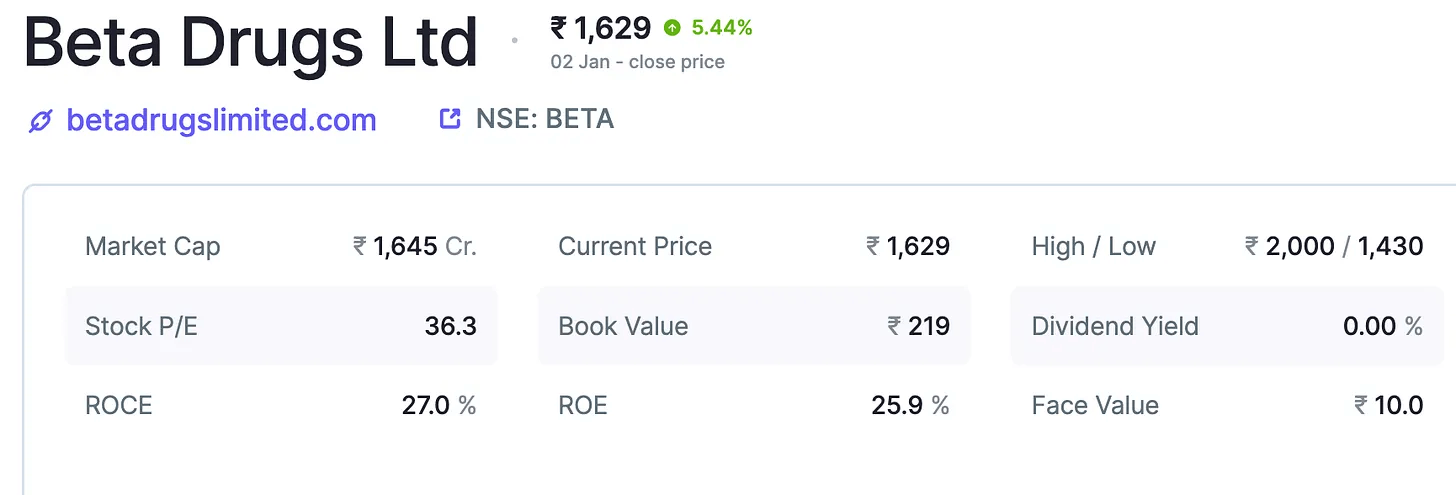
The P/E ratio is near the industry average or median of around 35. ROC of 27% and ROE of around 26% is good. Now the PE is average, but we also need to look at how the stock traded in the past or look at the valuation ratios such as EV/EBITDA.
This might not have reflected in the stock price because, to be honest, the company is small. Smaller companies with less diversified operations and clients tend to be riskier. Having said this, the full potential from the patent cliff does not seem to have already been reflected in the stock price, and investors might find this interesting.
H1 Financials
The first half year saw total sales of 204 crores, over 180 crores in the first half of 2025. The growth of 13% is significantly less than what the company has been generally achieving, 20% or more in the past. The management attributed this to bad rains across North India, and audits from Mexico and Colombia and operations were hit for 15 to 20 days. The margins seem to have improved even when the increase in sales has not been much. The EBITDA margin stands at 23.08%. PAT margin at 14.10%. So while the revenues increased by 13% PAT increased by 18%.
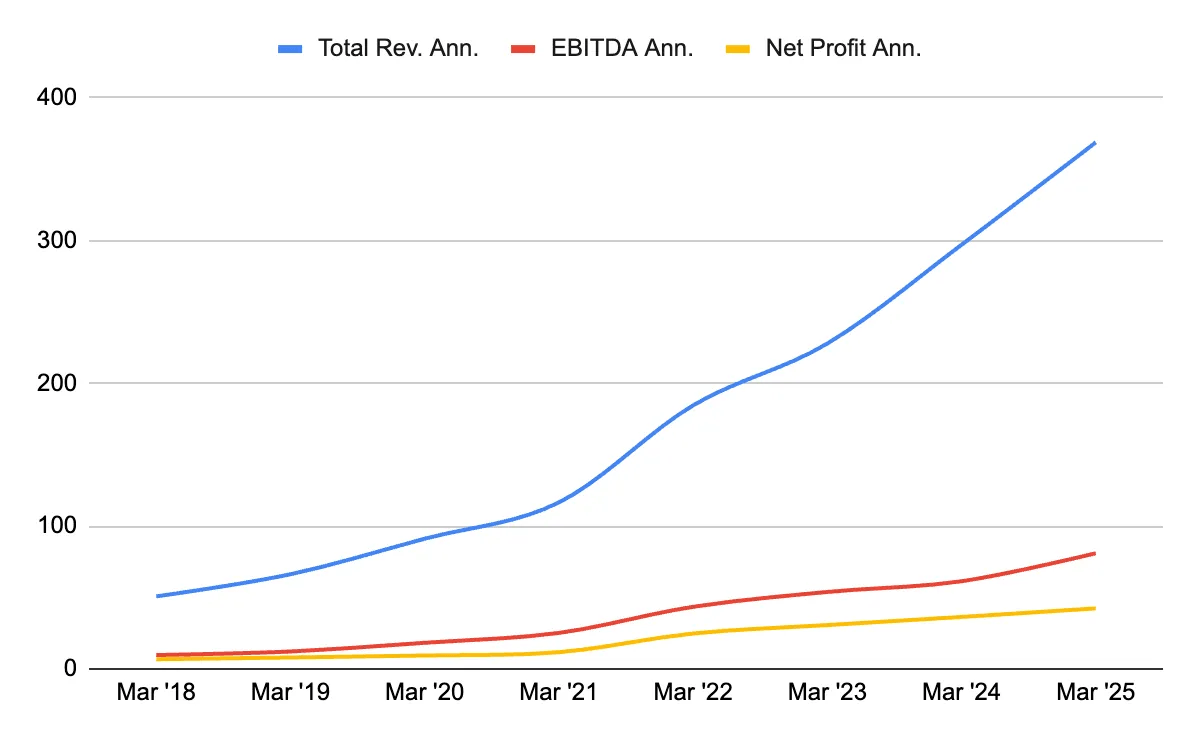
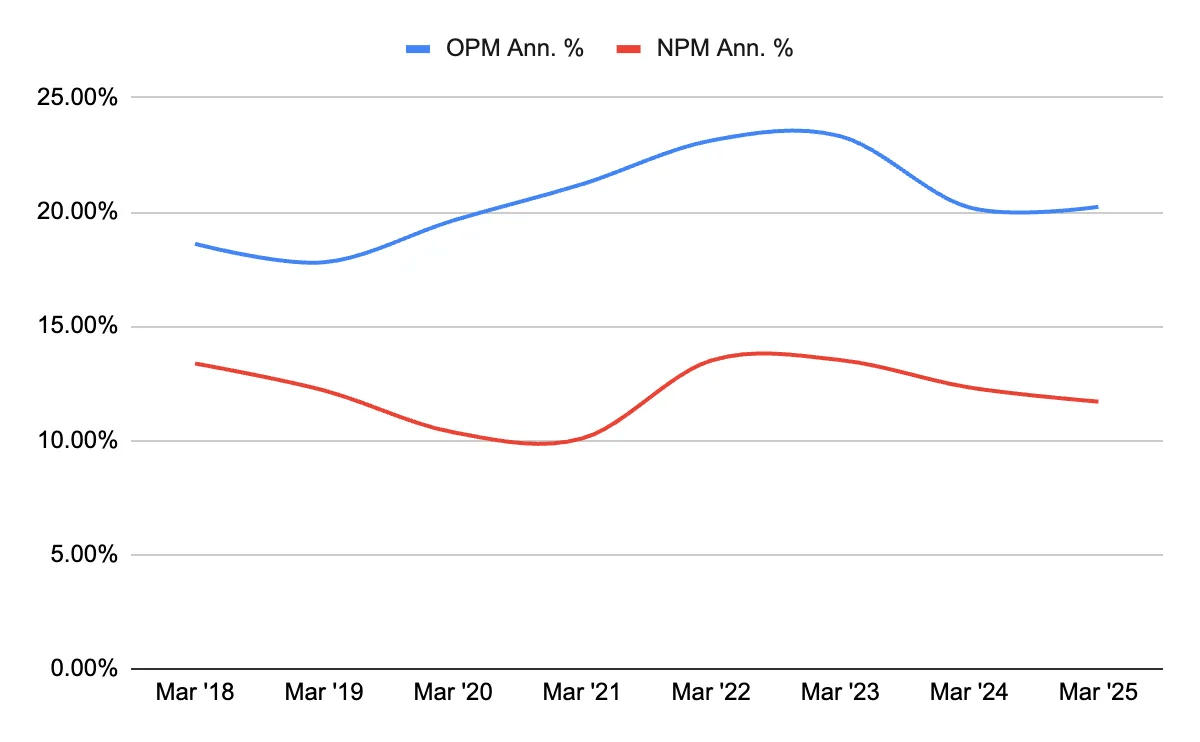
Revenues and profits have seen a constant increase, indicating smooth operations.
Margins are lower than they were two years ago but have not deteriorated significantly.
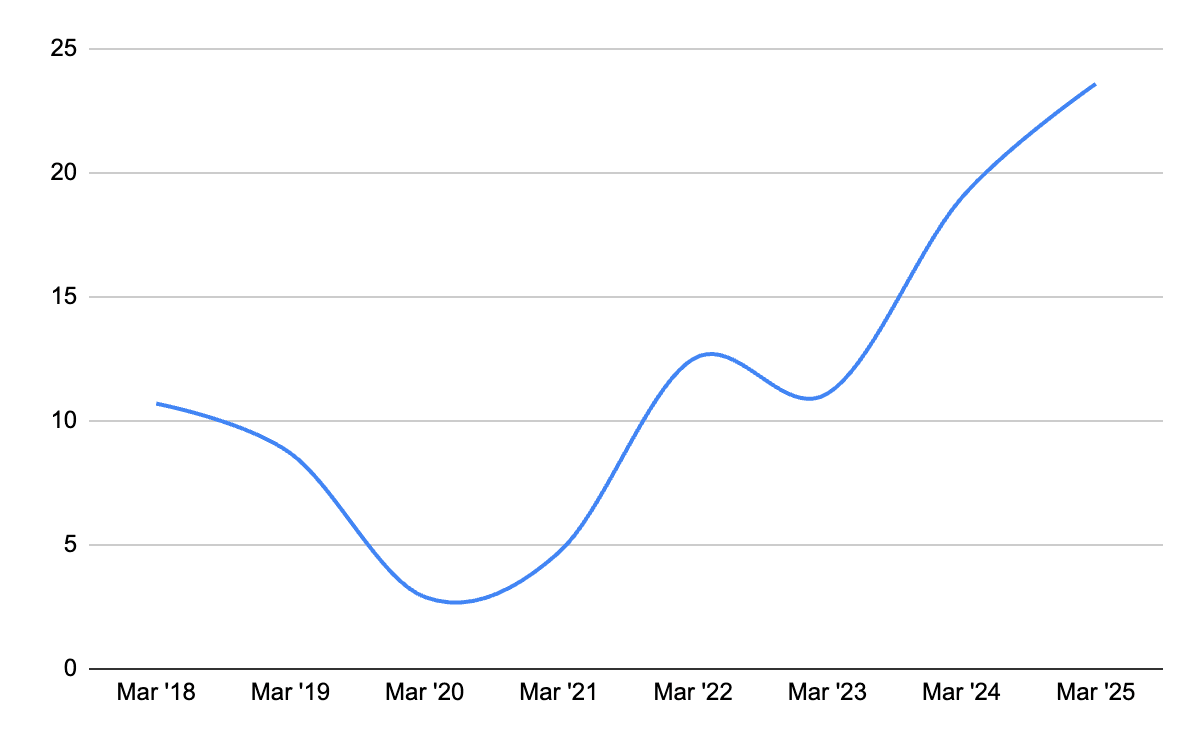
Valuation metrics indicate enhanced valuation. EV/EBITDA has increased significantly, indicating that the company is accounting for more and more of future growth in its stock price. Now the EV/EBITDA ratio of 23-24 is towards the higher side for the Indian Pharma industry. This means that the growth might have been accounted for at least partially in the stock price.
Now it makes more sense to analyse the company using EV/EBITDA rather than the PE ratio because EV/EBITDA accounts for differences in capital structure, and since Beta is low on debt, this metric becomes more meaningful.
Summing Up: What is Working for Beta
We discussed how the Patent cliff is likely to enhance revenues for Beta; however, operational factors that keep the company running smoothly also need to be considered. Here’s what the company is doing well:
- New Approvals have opened a larger market diversified across economies.
- Investment in R&D is picking up pace, and the company is planning further investment with land already purchased for another facility.
- Investment in product dossiers also enhances growth by increasing sales. H1 saw nearly 150 dossiers filed across Mexico, Algeria and other countries.
- The Colombia and Mexico audits went well without any critical observations. Additionally, EU audit is expected soon.
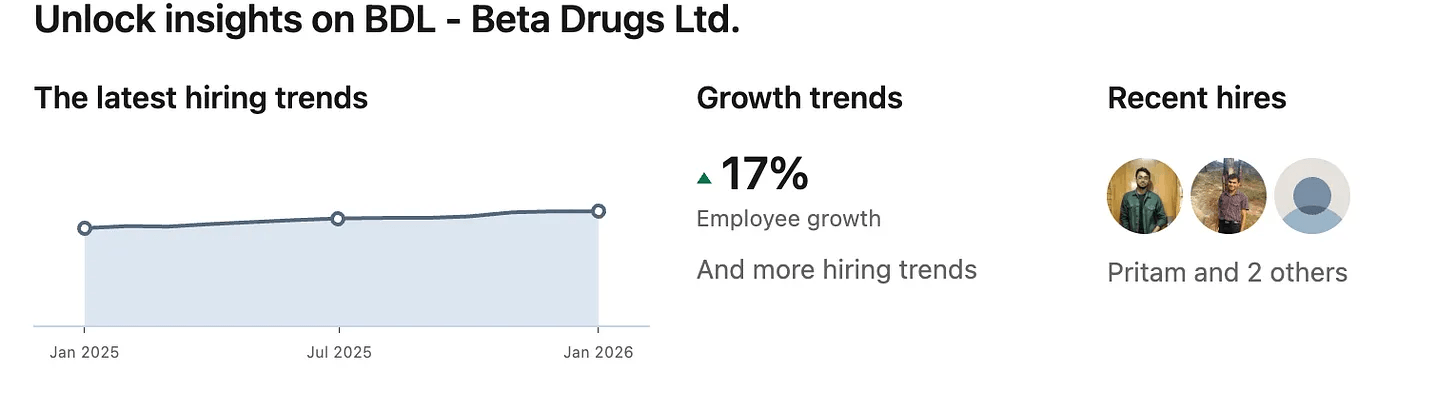
- New employ hiring indicates positive signals for the company. Here’s what I found on the company’s LinkedIn.
Risk Faced by Beta:
Like any security, Beta also faced risks that are financial and operational in nature.
- Small market cap and financials have little to fall back on in case of financial calamity.
- EV/EBITDA on the higher side might hold off price increase.
- Cancer as a disease does not seem to be abating any time soon; however, diversification will help the growth engine.
- CDMO growth is contracting when CDMO is the largest revenue source at present.
Understanding Pharma and Biologicals can be tricky, even if you are blessed quantitatively. We have tried not to bore you with details. The title calls the stock malignant because, as you might have experienced, growth is good, but a haphazard growth that harms the body is bad, exactly like cancer cells do. At Ethica, we slice out malignancy from stock, be it Ethical compliance or risky investments. If this stock resonates with you, or if you would like to know more, please get in touch with us to know more.
General Disclaimer and Release Nothing contained herein constitutes tax, legal, insurance or investment advice, or the recommendation of or an offer to sell, or the solicitation of an offer to buy or invest in any investment product, vehicle, service or instrument.