What is an IPO? How Does it Actually Work?
"You might know the different categories of stocks on the market. But what about before a stock is even listed? What if you could get in at the very beginning?"
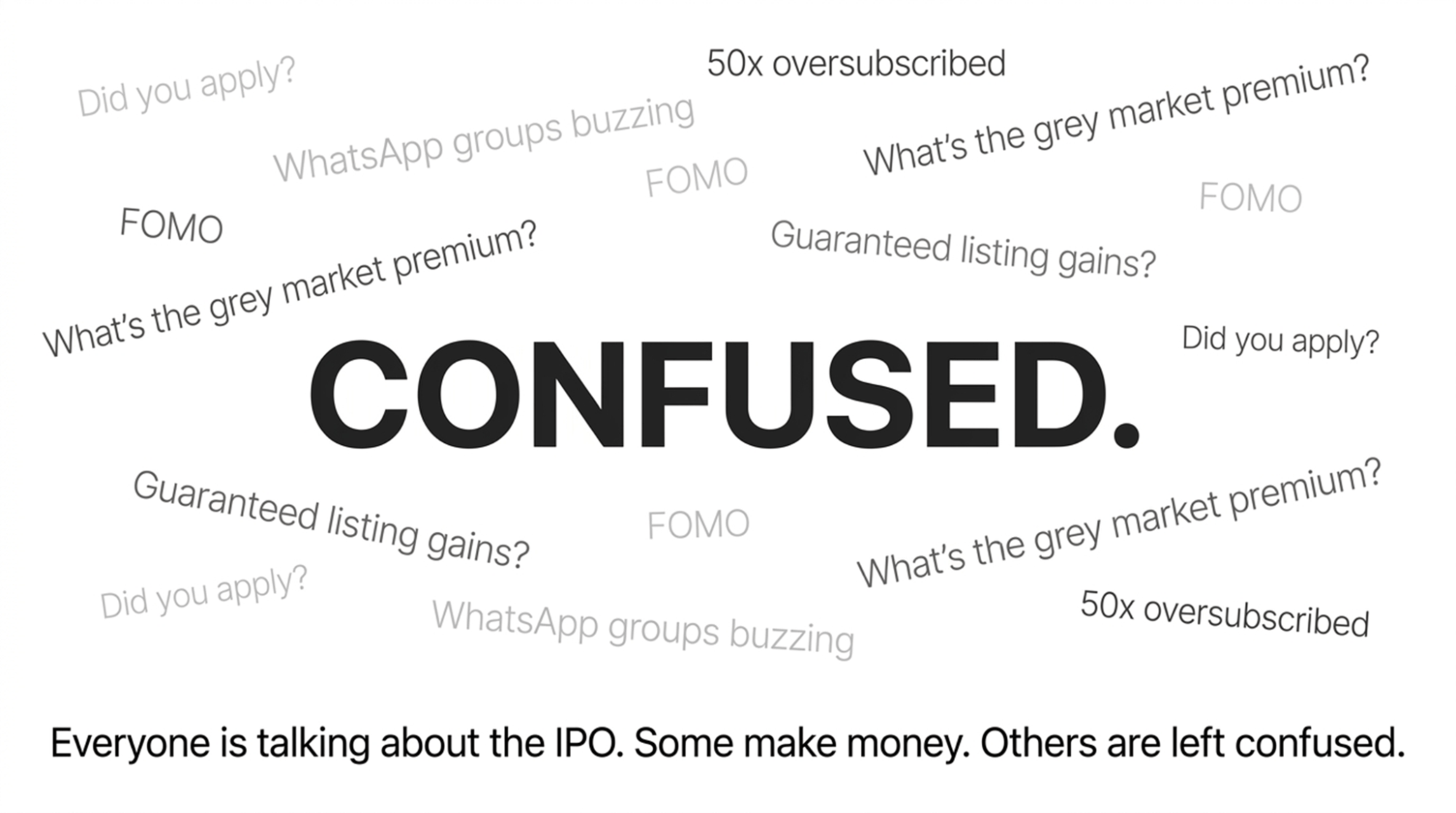
Every now and then, a company that you've heard of; maybe one you've even used; announces that it's "going public." Suddenly, everyone from your office WhatsApp group to your family dinner conversation is talking about applying for the IPO. Some people make money. Others are left confused.
Let's make sure you're never confused about this again.
What is an IPO?
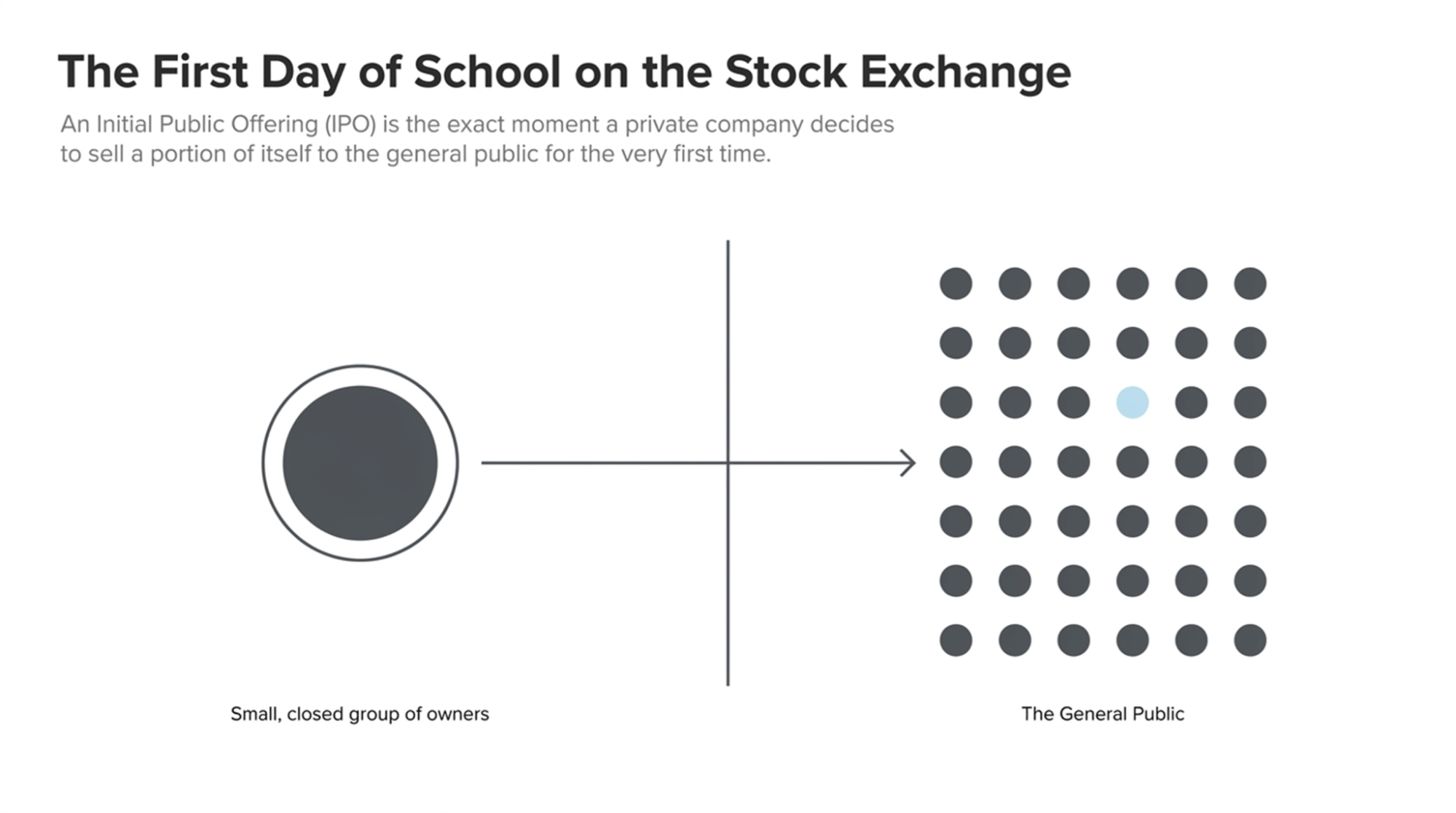
IPO stands for Initial Public Offering. It is the moment a private company; one that until now had a small, closed group of owners; decides to sell a portion of itself to the general public for the first time. This is the company's "first day of school" on the stock exchange.
Why would a company do this?
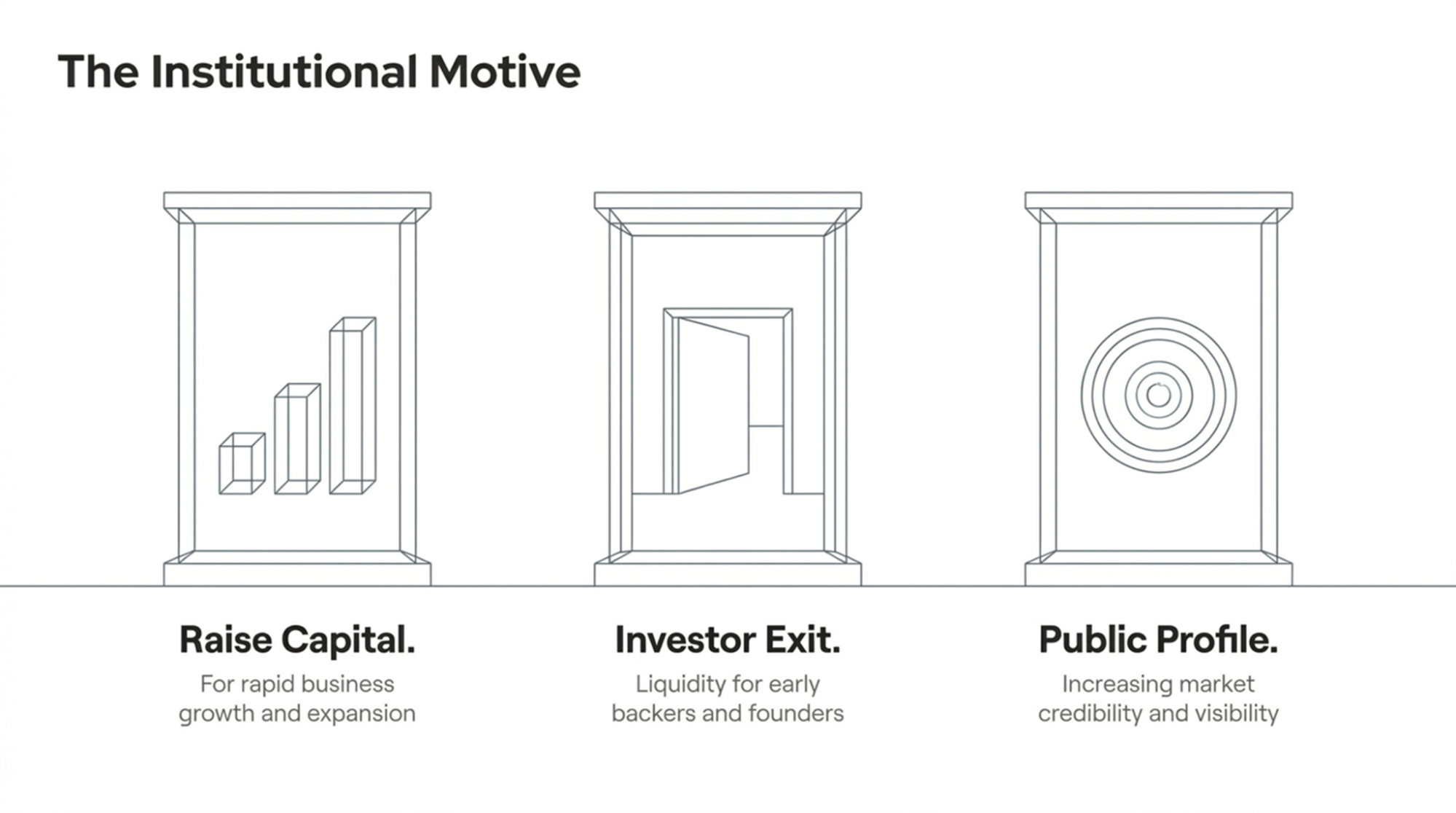
The same reason we discussed earlier; to raise capital for growth, to give early investors an exit, or to increase the company's public profile and credibility. In exchange, they offer the public shares at a predetermined price, and once the IPO closes, the stock begins trading on the exchange like any other listed company.
How Do You Apply for One?
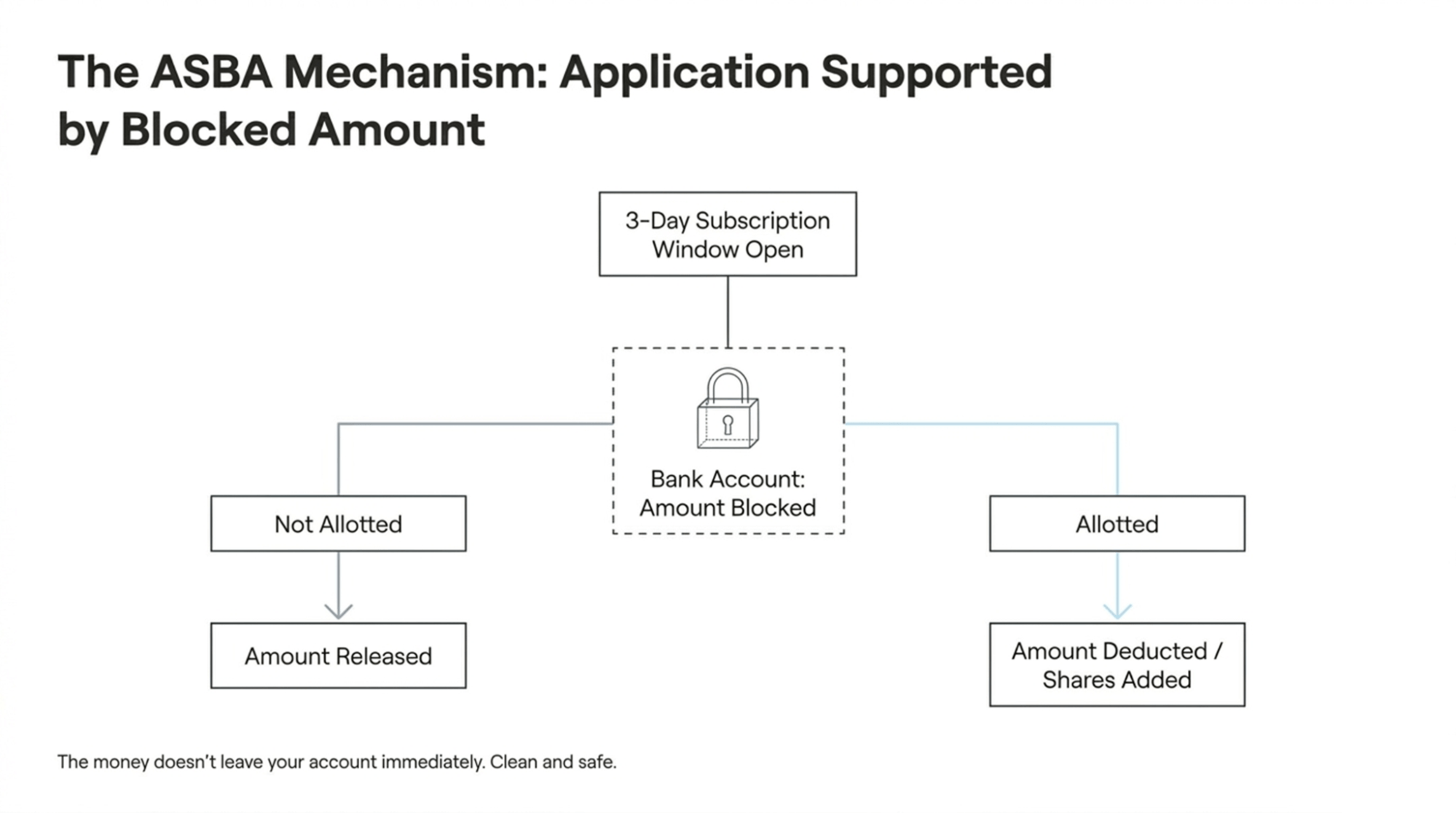
The process in India is refreshingly simple today. When a company announces an IPO, it opens for a subscription window; typically three trading days. During this window, you can apply through your broker app using a system called ASBA (Application Supported by Blocked Amount). Your money doesn't leave your bank account immediately; it's simply blocked until the allotment happens. If you get shares, the amount is deducted. If you don't, it's released back to you. Clean and safe.
You apply for shares in lots; a minimum number set by the company. The price is either fixed or within a price band (for example, ₹400–₹420 per share), and you bid within that range.
Why Do Some IPOs Get Oversubscribed?

When more people apply for shares than are available, the IPO is called oversubscribed. A 50x oversubscription means investors applied for 50 times the number of shares on offer. In these cases, allotment happens through a lottery for retail investors; you may apply and receive nothing, getting your money back.
High oversubscription sounds exciting, but it's also a warning sign worth heeding. Hype and quality are not the same thing. Some of India's most oversubscribed IPOs have delivered deeply disappointing returns post-listing because the excitement was priced in long before the fundamentals justified it. Conversely, some modestly subscribed IPOs from solid businesses have quietly delivered tremendous long-term returns.
The Beginner's IPO Filter
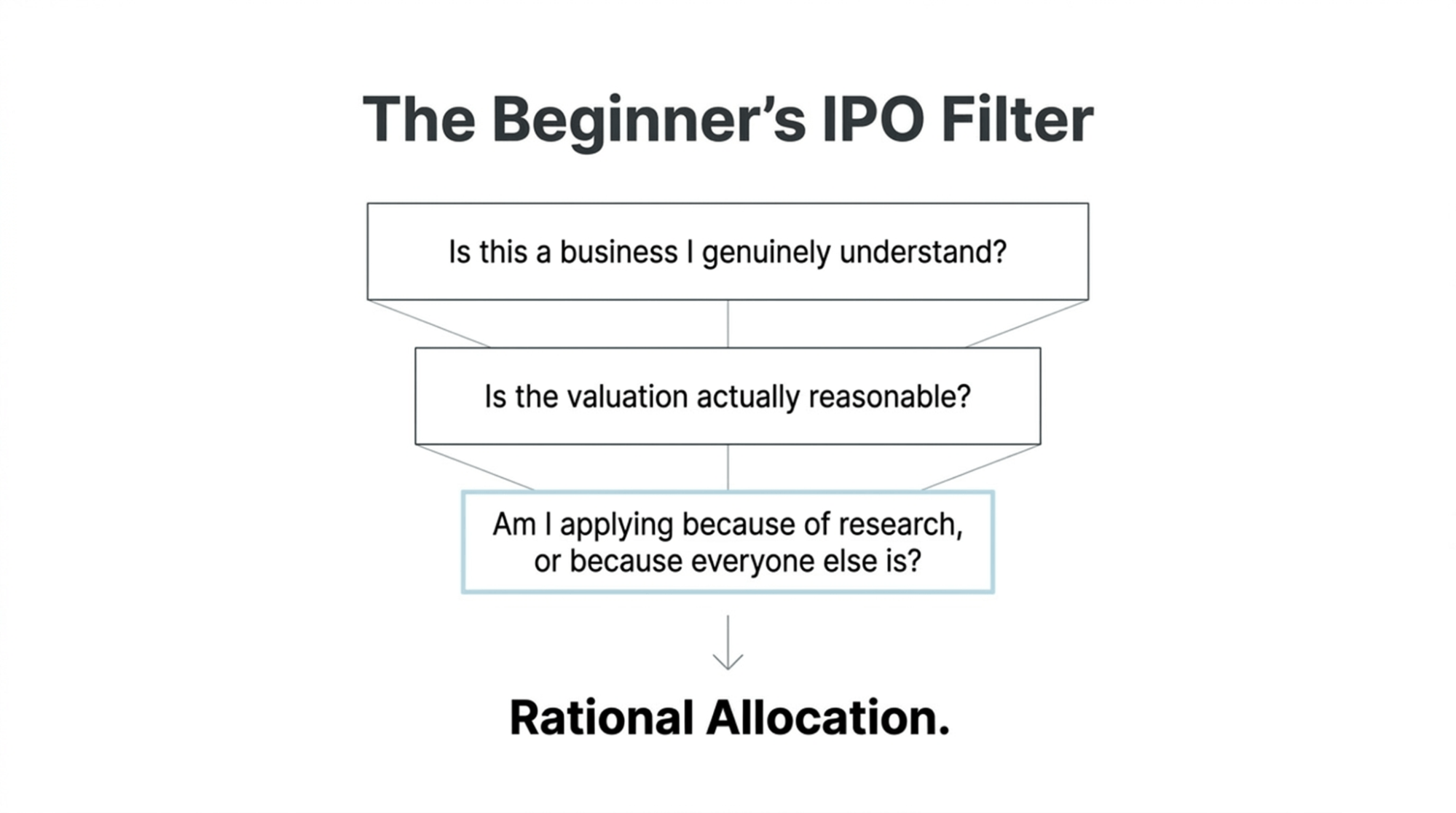
Before applying for any IPO, ask yourself three honest questions.
Is this a business I genuinely understand?
Is the valuation actually reasonable?
Am I applying because of research, or because everyone else is?
The third question eliminates most bad IPO decisions instantly.
Navigator Tip:
Now that you can identify stocks by size and catch them at the IPO stage, the next skill is learning to think in groups; because smart investors don't just pick companies, they pick industries.
In the next Article, we learn the art of Sectoral Investing.